

Budget software serves as a digital tool designed to assist individuals and businesses in managing their finances more effectively. At its core, budget software allows users to create, monitor, and adjust their budgets in real-time, providing a clear overview of income, expenses, and savings. The primary function of such software is to facilitate better financial decision-making by offering insights into spending habits and financial trends.
This technology has evolved significantly over the years, transitioning from simple spreadsheets to sophisticated applications that integrate with bank accounts, credit cards, and investment portfolios. The fundamental components of budget software typically include features for income tracking, expense categorization, and reporting. Users can input their income sources, such as salaries or freelance earnings, and categorize their expenses into various segments like housing, transportation, groceries, and entertainment.

Many modern budget software solutions also offer mobile applications, enabling users to access their financial data on the go. This accessibility is crucial for maintaining an accurate budget, as it allows for real-time updates and adjustments based on daily spending.
Key Takeaways
- Budget software helps simplify managing personal finances by organizing income, expenses, and goals.
- Selecting software that fits your specific financial needs and preferences is crucial for effective budgeting.
- Setting clear financial goals and accurately inputting your budget data lays the foundation for success.
- Regularly tracking expenses and income enables better financial awareness and control.
- Using budget software’s analytical tools supports long-term planning and achieving savings targets.
Choosing the Right Budget Software for Your Needs

Selecting the appropriate budget software requires careful consideration of individual financial circumstances and preferences. The first step in this process is to assess your specific needs. For instance, if you are a freelancer with fluctuating income, you may require software that offers robust income tracking and forecasting capabilities.
Conversely, a family managing a fixed monthly budget might prioritize features that allow for easy categorization of household expenses and shared access among family members. Another critical factor to consider is the user interface and overall usability of the software. A complex interface can deter users from fully utilizing the tool, while an intuitive design can enhance the budgeting experience.
Many budget software options offer free trials or demo versions, allowing potential users to explore the features and functionalities before committing to a purchase. Additionally, it is essential to evaluate whether the software integrates with your existing financial accounts. Seamless integration can save time and reduce errors associated with manual data entry.
Setting Up Your Budget and Financial Goals
Once you have selected the right budget software, the next step is to set up your budget and establish clear financial goals. This process begins with gathering all relevant financial information, including income statements, bank statements, and any outstanding debts. By having a comprehensive view of your financial landscape, you can create a more accurate budget that reflects your current situation.
When setting financial goals, it is beneficial to adopt the SMART criteria—Specific, Measurable, Achievable, Relevant, and Time-bound. For example, instead of setting a vague goal like “save money,” you might specify “save $5,000 for a vacation by December 2024.” This clarity not only provides motivation but also allows you to track your progress effectively within the budget software. Many applications offer goal-setting features that enable users to input their objectives directly into the system, making it easier to monitor progress over time.
Tracking Your Expenses and Income
Effective tracking of expenses and income is crucial for maintaining a successful budget. Budget software simplifies this process by allowing users to categorize transactions automatically or manually. Automatic categorization often relies on algorithms that analyze spending patterns based on previous transactions.
For instance, if you frequently purchase groceries from a specific store, the software may automatically categorize future purchases from that store as grocery expenses. In addition to categorization, many budget software solutions provide visual representations of spending habits through charts and graphs. These visual tools can help users quickly identify areas where they may be overspending or where they can cut back.
For example, if a user notices that dining out consistently exceeds their budgeted amount, they can make informed decisions about reducing restaurant visits or seeking more affordable dining options.
Analyzing Your Financial Data
| Software Name | Monthly Cost | Platform | Key Features | User Rating (out of 5) | Free Trial Available |
|---|---|---|---|---|---|
| YNAB (You Need A Budget) | 14.99 | Web, iOS, Android | Goal tracking, real-time sync, debt payoff planner | 4.7 | Yes (34 days) |
| Mint | 0 (ad-supported) | Web, iOS, Android | Automatic expense tracking, bill reminders, credit score monitoring | 4.3 | Yes |
| EveryDollar | 12.99 | Web, iOS, Android | Zero-based budgeting, debt snowball tool, bank sync | 4.5 | Yes (14 days) |
| Personal Capital | 0 (free version) | Web, iOS, Android | Investment tracking, retirement planner, budgeting tools | 4.4 | Yes |
| GoodBudget | 7 | Web, iOS, Android | Envelope budgeting, debt tracking, sync across devices | 4.2 | Yes |
Analyzing financial data is a critical aspect of effective budgeting that often goes overlooked. Budget software typically includes reporting features that allow users to generate detailed reports on their income and expenses over specific periods. By reviewing these reports regularly, users can gain insights into their financial behavior and identify trends that may require attention.
For instance, a user might discover that their utility bills have steadily increased over several months. This information could prompt them to investigate potential causes—such as increased energy consumption or changes in service providers—and take corrective action. Additionally, analyzing financial data can help users assess whether they are on track to meet their savings goals or if adjustments are necessary to stay within budget.
Creating and Managing Savings Goals
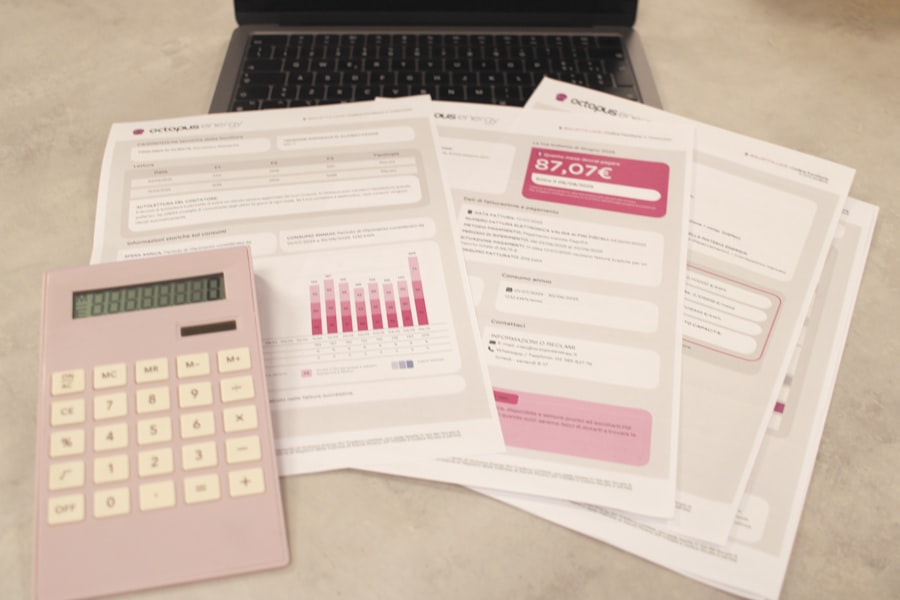
Creating savings goals is an essential component of any budgeting strategy. Budget software often includes features specifically designed for setting and managing these goals. Users can define their savings objectives—whether for an emergency fund, a vacation, or a down payment on a home—and allocate funds accordingly within their budget.
Managing these savings goals involves regular monitoring and adjustments based on changing circumstances. For example, if an unexpected expense arises—such as a car repair—users may need to temporarily reduce contributions to their savings goals to accommodate this new cost. Budget software allows for easy adjustments, ensuring that users can remain flexible while still working towards their long-term objectives.
Utilizing Budget Software for Long-Term Financial Planning
Beyond day-to-day budgeting, budget software can play a significant role in long-term financial planning. Many applications offer features that allow users to project future income and expenses based on historical data and current trends. This capability enables individuals to plan for significant life events such as retirement, education expenses for children, or major purchases like a home.
For instance, a user nearing retirement can utilize budget software to simulate various scenarios based on different retirement ages and expected expenses during retirement years. By inputting variables such as expected Social Security benefits and investment returns, users can gain insights into how much they need to save each month to achieve their desired retirement lifestyle. This forward-thinking approach empowers users to make informed decisions about their finances today that will impact their future well-being.
Tips for Successfully Mastering Your Finances with Budget Software
To maximize the benefits of budget software and achieve financial mastery, users should adopt several best practices. First and foremost is consistency; regularly updating income and expense entries ensures that the budget remains accurate and reflective of current financial conditions. Setting aside time each week or month for this task can help establish a routine that keeps finances organized.
Another valuable tip is to leverage the educational resources often provided by budget software companies. Many platforms offer tutorials, webinars, or articles that cover various aspects of budgeting and financial management. Engaging with these resources can enhance users’ understanding of personal finance concepts and improve their ability to utilize the software effectively.
Additionally, users should not hesitate to customize their budgeting experience according to their unique needs. Most budget software allows for personalized categories and subcategories tailored to individual spending habits. By creating a budgeting structure that resonates with personal financial situations, users can foster greater engagement with their budgeting process.
Finally, it is essential to remain adaptable in the face of changing financial circumstances. Life events such as job changes, family growth, or economic shifts can significantly impact budgets. Budget software provides the flexibility needed to adjust budgets in response to these changes while still keeping long-term goals in sight.
By understanding the fundamentals of budget software and implementing effective strategies for its use, individuals can take control of their finances with confidence and clarity.

