

Tax season involves specific filing deadlines that taxpayers must meet to maintain compliance and avoid penalties. The Internal Revenue Service (IRS) establishes April 15th as the standard deadline for individual tax returns. When this date occurs on a weekend or federal holiday, the deadline extends to the following business day.
In 2023, the filing deadline moved to April 18th because Emancipation Day fell on April 15th. Failure to meet these deadlines results in late filing penalties and interest charges. Different entity types face varying deadline requirements.

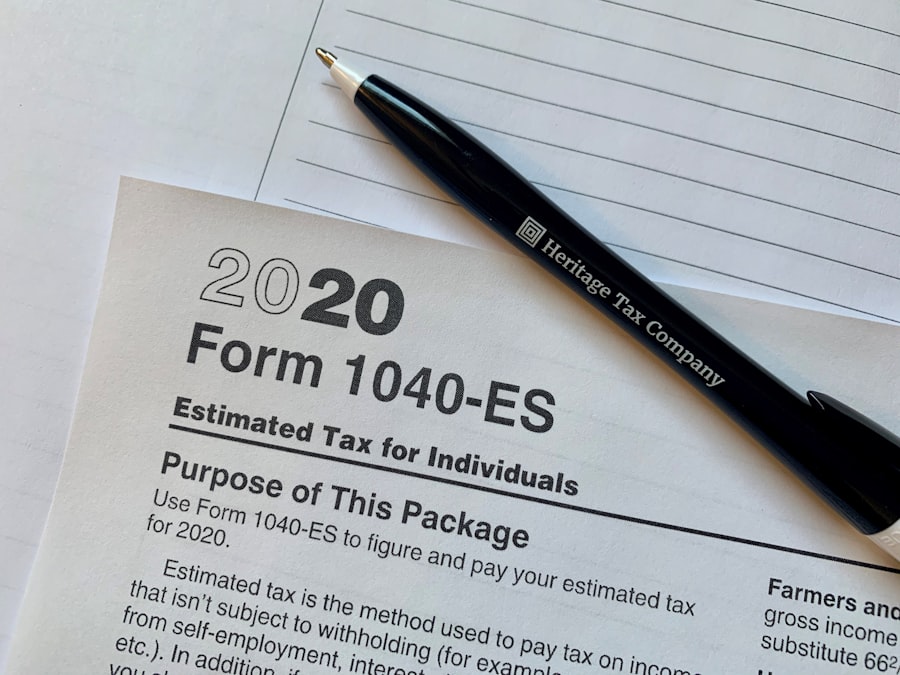
Partnerships and S corporations must file their returns by March 15th, while individual taxpayers have until April 15th. Self-employed individuals and taxpayers with substantial non-withheld income must submit estimated tax payments quarterly. These estimated payments are due on April 15th, June 15th, September 15th, and January 15th of the subsequent year.
The IRS imposes underpayment penalties when taxpayers miss estimated payment deadlines or fail to pay sufficient amounts throughout the tax year.
Key Takeaways
- Know and meet tax season deadlines to avoid penalties and interest.
- Hiring a tax professional can maximize refunds and reduce errors.
- Utilize top deductions and credits to increase your tax refund.
- Avoid common filing mistakes like incorrect information and missed forms.
- Stay updated on tax law changes and plan strategically for future financial success.

Benefits of Hiring a Tax Professional
Engaging a tax professional can provide numerous advantages that go beyond simply filing a return. One of the primary benefits is the expertise that these professionals bring to the table. Tax laws are complex and frequently change, making it challenging for the average taxpayer to navigate them effectively.
A qualified tax preparer or accountant is well-versed in current tax regulations and can identify potential deductions and credits that an individual might overlook. This knowledge can lead to significant savings and a larger refund. Moreover, hiring a tax professional can alleviate the stress associated with tax preparation.
For many individuals, the thought of gathering documents, understanding tax forms, and ensuring compliance with IRS regulations can be overwhelming. A tax professional not only handles these tasks but also provides peace of mind by ensuring that everything is done correctly. In the event of an audit, having a knowledgeable expert on your side can be invaluable.
They can represent you before the IRS, helping to navigate any inquiries or disputes that may arise, which can be particularly daunting for someone unfamiliar with the process.
Top Tax Deductions and Credits to Maximize Your Refund

Maximizing your tax refund often hinges on understanding and utilizing available deductions and credits effectively. Deductions reduce your taxable income, while credits directly reduce your tax liability. One of the most commonly overlooked deductions is the standard deduction, which for the tax year 2023 is $13,850 for single filers and $27,700 for married couples filing jointly.
Taxpayers should evaluate whether itemizing deductions—such as mortgage interest, state and local taxes, and charitable contributions—would yield a greater benefit than taking the standard deduction. In addition to standard deductions, various tax credits can significantly enhance your refund. The Earned Income Tax Credit (EITC) is one such credit designed to assist low- to moderate-income working individuals and families.
For the 2023 tax year, eligible taxpayers could receive a credit of up to $7,430 depending on their income and number of qualifying children. Another valuable credit is the Child Tax Credit (CTC), which provides up to $2,000 per qualifying child under age 17. Understanding eligibility requirements for these credits can lead to substantial financial benefits, making it essential for taxpayers to stay informed about their options.
Common Tax Filing Mistakes to Avoid
Filing taxes can be fraught with pitfalls that may lead to costly mistakes or delays in processing returns. One common error is incorrect personal information, such as misspelled names or incorrect Social Security numbers. These mistakes can result in significant delays in processing refunds or even trigger audits.
It is crucial for taxpayers to double-check all personal information before submitting their returns to ensure accuracy. Another frequent mistake involves overlooking potential deductions or credits. Many taxpayers fail to take advantage of available opportunities simply because they are unaware of them or do not understand eligibility requirements.
For instance, students may miss out on education-related credits like the American Opportunity Credit or Lifetime Learning Credit due to lack of knowledge about their qualifications. Additionally, failing to sign and date the return is a simple yet critical oversight that can lead to rejection by the IRS. By being diligent and thorough during the filing process, taxpayers can avoid these common errors and ensure a smoother experience.
Navigating Tax Changes and Updates for the Current Year
| Service | Description | Average Cost | Typical Turnaround Time | Eligibility |
|---|---|---|---|---|
| Free Tax Preparation | Assistance with filing basic tax returns for low-income individuals | Free | Same day to 1 week | Income below a certain threshold |
| Tax Counseling for the Elderly (TCE) | Specialized help for taxpayers aged 60 and older | Free | Same day to 1 week | Age 60 and above |
| Professional Tax Preparation | Comprehensive tax filing services by certified professionals | 100 – 500 | 1 to 2 weeks | All taxpayers |
| IRS Taxpayer Advocate Service | Help resolving tax problems that are not being resolved through normal channels | Free | Varies depending on case complexity | All taxpayers facing tax issues |
| Online Tax Software | Self-service tax filing with guided assistance | 0 – 100 | Same day | All taxpayers |
Tax laws are subject to change from year to year, which can significantly impact how individuals and businesses approach their filings. Staying informed about these changes is essential for effective tax planning and compliance. For example, recent legislation may introduce new deductions or alter existing ones, affecting how taxpayers calculate their liabilities.
The Tax Cuts and Jobs Act (TCJA) of 2017 brought about substantial changes that are still relevant today, including adjustments to tax brackets and limitations on certain deductions. In addition to legislative changes, updates from the IRS regarding filing procedures or deadlines can also affect taxpayers’ strategies. For instance, during the COVID-19 pandemic, various relief measures were implemented that altered filing requirements and deadlines.
Understanding these updates ensures that taxpayers are not caught off guard by new regulations or requirements that could impact their financial situation. Regularly consulting IRS publications or working with a tax professional can help individuals stay abreast of these changes.
How to Organize Your Financial Documents for Tax Filing
Effective organization of financial documents is a cornerstone of successful tax filing. A well-structured approach not only streamlines the preparation process but also minimizes stress as deadlines approach. Start by creating a dedicated folder—either physical or digital—where all relevant documents can be stored throughout the year.
This folder should include W-2 forms from employers, 1099 forms for freelance work or investment income, receipts for deductible expenses, and any other pertinent financial records. Additionally, categorizing documents can enhance efficiency when it comes time to file taxes. Grouping documents by type—such as income statements, deductible expenses, and investment records—can make it easier to locate specific items when needed.
Utilizing accounting software or apps can also aid in tracking expenses throughout the year, allowing for easier access during tax season. By maintaining organized records, taxpayers can ensure they have all necessary documentation at hand when preparing their returns.
Tax Planning Strategies for Long-Term Financial Success
Tax planning is not merely a seasonal activity; it is an ongoing process that can significantly influence long-term financial health. One effective strategy involves maximizing contributions to retirement accounts such as 401(k)s or IRAs. Contributions to these accounts often come with tax advantages—such as pre-tax contributions reducing taxable income—which can lead to substantial savings over time while simultaneously preparing for retirement.
Another important aspect of tax planning is understanding capital gains taxes associated with investments. By strategically timing the sale of assets—such as stocks or real estate—taxpayers can minimize their capital gains liability. For instance, holding onto an asset for more than one year qualifies it for long-term capital gains rates, which are generally lower than short-term rates applied to assets held for less than a year.
Engaging in proactive tax planning allows individuals to make informed decisions that align with their financial goals while optimizing their tax situation.
What to Do if You Owe Taxes: Payment Options and Solutions
Facing a tax bill can be daunting; however, there are several options available for those who find themselves owing money to the IRS. The first step is to assess your financial situation honestly and determine how much you can afford to pay immediately versus what may need to be financed over time. If you cannot pay your full tax liability by the due date, it is crucial not to ignore the situation as penalties and interest will accrue on any unpaid balance.
The IRS offers several payment options for taxpayers who owe money. One option is an installment agreement, which allows individuals to pay their tax debt in monthly installments over time. This arrangement can ease financial strain while ensuring compliance with IRS requirements.
Additionally, taxpayers may qualify for an Offer in Compromise (OIC), which allows them to settle their tax debt for less than the full amount owed if they meet specific criteria demonstrating an inability to pay in full. Understanding these options empowers taxpayers facing tax liabilities to take proactive steps toward resolution rather than succumbing to anxiety over their financial obligations. By exploring available solutions and communicating with the IRS when necessary, individuals can navigate their tax responsibilities more effectively while minimizing potential repercussions.

