

Funding is a critical lifeline for small businesses, serving as the foundation upon which they can build, grow, and sustain their operations. For many entrepreneurs, access to capital is not merely a matter of convenience; it is often the difference between success and failure. Small businesses typically face unique challenges, including limited cash flow, high operational costs, and the need for investment in marketing and technology.
Without adequate funding, these enterprises may struggle to maintain their competitive edge or even survive in a crowded marketplace. Moreover, funding is essential for innovation and expansion. Small businesses often drive economic growth by introducing new products and services, creating jobs, and fostering competition.

However, to innovate, they require resources to invest in research and development, hire skilled personnel, and implement effective marketing strategies. The ability to secure funding can empower small business owners to take calculated risks that lead to significant advancements in their offerings. In this context, understanding the various funding avenues available becomes paramount for entrepreneurs aiming to navigate the complexities of the business landscape.
Key Takeaways
- Funding is crucial for small business survival and growth.
- Various funding options include loans, investors, and crowdfunding.
- Effective financial planning enhances funding success.
- Technology can streamline and improve access to funding.
- Overcoming funding challenges is key to business expansion.
Exploring Different Funding Options for Small Businesses

When it comes to funding options, small businesses have a plethora of choices at their disposal. Traditional bank loans are often the first avenue that entrepreneurs consider. These loans typically offer lower interest rates compared to other forms of financing, making them an attractive option for those with a solid credit history and a well-prepared business plan.
However, the application process can be lengthy and cumbersome, often requiring extensive documentation and collateral. This can be a barrier for many small business owners who may not have the necessary assets to secure a loan. In addition to bank loans, small businesses can explore alternative funding sources such as venture capital and angel investors.
Venture capitalists are typically interested in high-growth potential companies and may provide not only funding but also valuable mentorship and industry connections. Angel investors, on the other hand, are often individuals who invest their personal funds in startups in exchange for equity. While these options can provide significant capital, they also come with the expectation of rapid growth and a clear exit strategy, which may not align with every entrepreneur’s vision for their business.
Crowdfunding has emerged as another innovative funding option in recent years. Platforms like Kickstarter and Indiegogo allow entrepreneurs to present their ideas to a global audience and raise funds directly from potential customers. This method not only provides financial support but also serves as a marketing tool, helping businesses gauge interest in their products before launching them.
However, successful crowdfunding campaigns require careful planning and execution, as they often depend on effective storytelling and community engagement.
The Role of Financial Planning in Small Business Success

Financial planning is an integral component of small business success that cannot be overlooked. A well-structured financial plan serves as a roadmap for entrepreneurs, guiding them through various stages of their business journey. It encompasses budgeting, forecasting, and cash flow management, all of which are essential for making informed decisions about resource allocation and growth strategies.
By establishing clear financial goals and regularly monitoring performance against these benchmarks, small business owners can identify potential issues before they escalate into significant problems. Moreover, financial planning aids in risk management. Small businesses are inherently vulnerable to market fluctuations, economic downturns, and unforeseen expenses.
A robust financial plan allows entrepreneurs to prepare for these uncertainties by setting aside reserves or identifying alternative funding sources. For instance, during economic downturns, businesses with a solid financial foundation may be better positioned to weather the storm compared to those without a clear financial strategy. This proactive approach not only enhances resilience but also instills confidence among stakeholders, including employees, investors, and customers.
Leveraging Technology for Funding Small Businesses
In today’s digital age, technology plays a pivotal role in transforming how small businesses access funding. Online lending platforms have revolutionized the borrowing process by streamlining applications and reducing approval times significantly. These platforms utilize algorithms to assess creditworthiness based on various data points beyond traditional credit scores, making it easier for small business owners to secure loans even if they have limited credit history.
This democratization of access to capital has opened doors for many entrepreneurs who previously faced barriers in obtaining financing. Additionally, technology facilitates crowdfunding efforts by providing entrepreneurs with tools to create compelling campaigns that resonate with potential backers. Social media platforms enable businesses to reach wider audiences and engage with communities that share their interests or values.
By leveraging digital marketing strategies, small businesses can effectively promote their crowdfunding initiatives and build a loyal customer base even before launching their products or services. Furthermore, advancements in blockchain technology are paving the way for decentralized finance (DeFi) solutions that could offer new avenues for funding without traditional intermediaries.
The Impact of Funding on Small Business Growth and Expansion
| Funding Source | Average Loan Amount | Typical Interest Rate | Repayment Term | Approval Time | Common Use Cases |
|---|---|---|---|---|---|
| Bank Loans | 50,000 – 500,000 | 5% – 10% | 3 – 10 years | 2 – 6 weeks | Expansion, Equipment Purchase |
| SBA Loans | 30,000 – 350,000 | 6% – 9% | 7 – 25 years | 4 – 12 weeks | Working Capital, Real Estate |
| Online Lenders | 5,000 – 250,000 | 7% – 30% | 6 months – 3 years | 1 – 7 days | Short-term Cash Flow, Inventory |
| Angel Investors | 25,000 – 500,000 | Equity Based | Variable | 1 – 3 months | Startup Growth, Product Development |
| Venture Capital | 100,000 – 10,000,000 | Equity Based | Variable | 3 – 6 months | High Growth Startups |
| Microloans | 500 – 50,000 | 8% – 13% | 6 months – 3 years | 1 – 4 weeks | Small Equipment, Inventory |
| Crowdfunding | Varies | Reward or Equity Based | Variable | Campaign Duration | Product Launch, Marketing |
The impact of funding on small business growth cannot be overstated. Access to capital enables entrepreneurs to invest in critical areas such as product development, marketing initiatives, and operational improvements. For instance, a small manufacturing company that secures funding may use it to upgrade its machinery, resulting in increased production efficiency and reduced costs over time.
This not only enhances profitability but also positions the business to compete more effectively in its industry. Moreover, funding can facilitate geographic expansion for small businesses looking to tap into new markets. With adequate resources, an entrepreneur can open additional locations or expand their online presence to reach customers beyond their immediate vicinity.
This strategic growth can lead to increased brand recognition and customer loyalty as businesses establish themselves in new territories. However, it is essential for entrepreneurs to approach expansion thoughtfully; without proper planning and financial oversight, rapid growth can lead to operational challenges that may jeopardize the sustainability of the business.
Overcoming Common Funding Challenges for Small Businesses
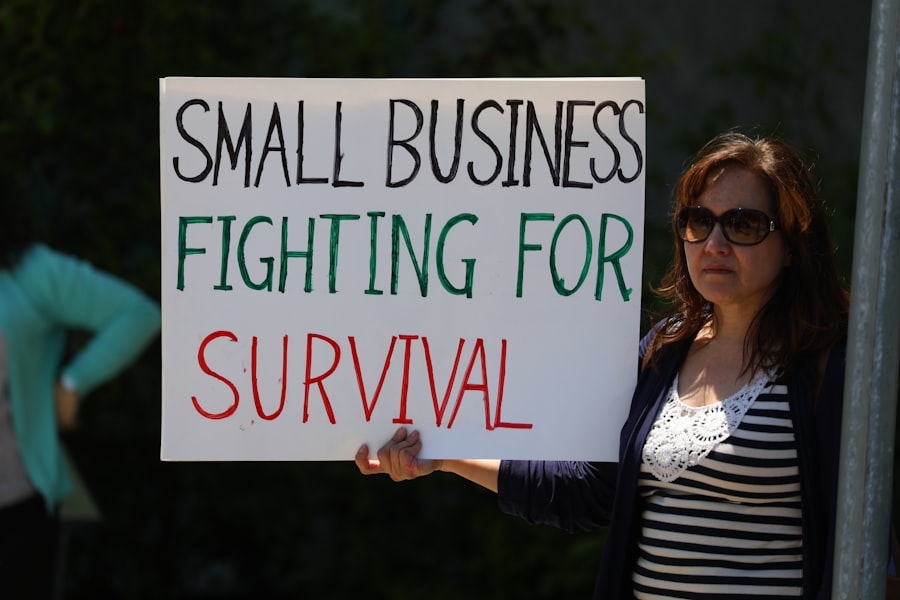
Despite the myriad of funding options available, small businesses often encounter significant challenges when seeking financial support. One common hurdle is the lack of a comprehensive business plan that clearly outlines the company’s vision, goals, and strategies for achieving them. Lenders and investors typically require detailed documentation that demonstrates an understanding of market dynamics and financial projections.
Entrepreneurs who fail to present a compelling case may find it difficult to secure the necessary funding. Another challenge lies in navigating the complex landscape of funding options. With so many choices available—ranging from traditional loans to crowdfunding—small business owners may feel overwhelmed when trying to determine which avenue is best suited for their needs.
This confusion can lead to missed opportunities or poor financial decisions that hinder growth potential. To overcome this challenge, entrepreneurs should invest time in researching various funding sources and seeking advice from financial advisors or mentors who can provide guidance tailored to their specific circumstances.
Building a Strong Business Case for Funding
Creating a strong business case is essential for securing funding from any source. A well-crafted business case should articulate the unique value proposition of the business while addressing potential risks and challenges head-on. Entrepreneurs must clearly define their target market, competitive landscape, and revenue model to demonstrate an understanding of how their business fits within the broader industry context.
Additionally, presenting realistic financial projections is crucial when building a business case for funding. Investors and lenders want to see evidence of potential returns on their investment; therefore, entrepreneurs should provide detailed forecasts that outline expected revenues, expenses, and cash flow over time. Incorporating sensitivity analyses can further strengthen the case by illustrating how different scenarios could impact financial performance.
By presenting a thorough and well-researched business case, entrepreneurs can instill confidence in potential funders regarding their ability to execute their vision successfully.
The Future of Small Business Funding: Trends and Opportunities
As we look toward the future of small business funding, several trends are emerging that could reshape the landscape significantly. One notable trend is the increasing popularity of impact investing—where investors seek not only financial returns but also social or environmental benefits from their investments. This shift presents opportunities for small businesses that prioritize sustainability or social responsibility in their operations.
Entrepreneurs who align their missions with these values may find it easier to attract funding from socially conscious investors. Additionally, advancements in artificial intelligence (AI) are poised to revolutionize how small businesses access funding. AI-driven platforms can analyze vast amounts of data quickly to assess creditworthiness more accurately than traditional methods.
This could lead to more personalized lending solutions tailored to individual business needs while reducing biases that have historically plagued lending practices. Furthermore, as remote work continues to gain traction post-pandemic, there may be an increase in demand for digital-first businesses that cater to evolving consumer preferences. Entrepreneurs who leverage technology effectively will likely find themselves at an advantage when seeking funding opportunities that align with these trends.
In conclusion, understanding the multifaceted nature of funding is crucial for small businesses aiming for success in an ever-evolving marketplace. By exploring various funding options, engaging in thorough financial planning, leveraging technology effectively, and building compelling business cases, entrepreneurs can navigate challenges while seizing opportunities that arise in this dynamic environment.

