
Transparent government accounting practices are fundamental to the functioning of a democratic society. They serve as the bedrock for accountability, enabling citizens to understand how public funds are being utilized. When government entities maintain clear and accessible financial records, it fosters an environment where taxpayers can scrutinize expenditures and demand justification for budgetary decisions.
This transparency is not merely a bureaucratic nicety; it is a critical component of good governance that enhances civic engagement and promotes informed public discourse. Moreover, transparent accounting practices help mitigate corruption and mismanagement of public resources. When financial transactions are open to public scrutiny, the likelihood of fraudulent activities diminishes significantly.

Citizens, civil society organizations, and the media can act as watchdogs, holding government officials accountable for their financial decisions. This accountability is essential for building a culture of integrity within public institutions, where officials are aware that their actions are subject to examination and critique. In essence, transparent government accounting practices not only empower citizens but also reinforce the ethical standards expected of public servants.
Key Takeaways
- Transparent government accounting is crucial for accountability and public trust.
- Current challenges include complexity, lack of standardization, and limited public access to information.
- Best practices involve clear reporting standards, regular audits, and open communication with the public.
- Technology, such as digital platforms and blockchain, enhances transparency and real-time access to financial data.
- Increased transparency in government accounting significantly boosts public trust and stakeholder engagement.
Current Challenges in Government Accounting Practices

Despite the recognized importance of transparency in government accounting, numerous challenges persist that hinder its effective implementation. One significant issue is the complexity of government financial systems. Many government agencies operate with outdated accounting frameworks that are not designed to provide clear visibility into financial transactions.
This complexity can lead to confusion among stakeholders regarding how funds are allocated and spent, ultimately eroding public trust in government institutions. Another challenge is the lack of standardized reporting practices across different levels of government. In many jurisdictions, local, state, and federal agencies may employ varying accounting methods and reporting formats, making it difficult for citizens to compare financial data across entities.
This inconsistency can create barriers to understanding and analyzing government finances, leading to a perception of opacity. Furthermore, inadequate training and resources for government accountants can exacerbate these issues, as personnel may lack the necessary skills to implement transparent practices effectively.
Best Practices for Improving Transparency in Government Accounting
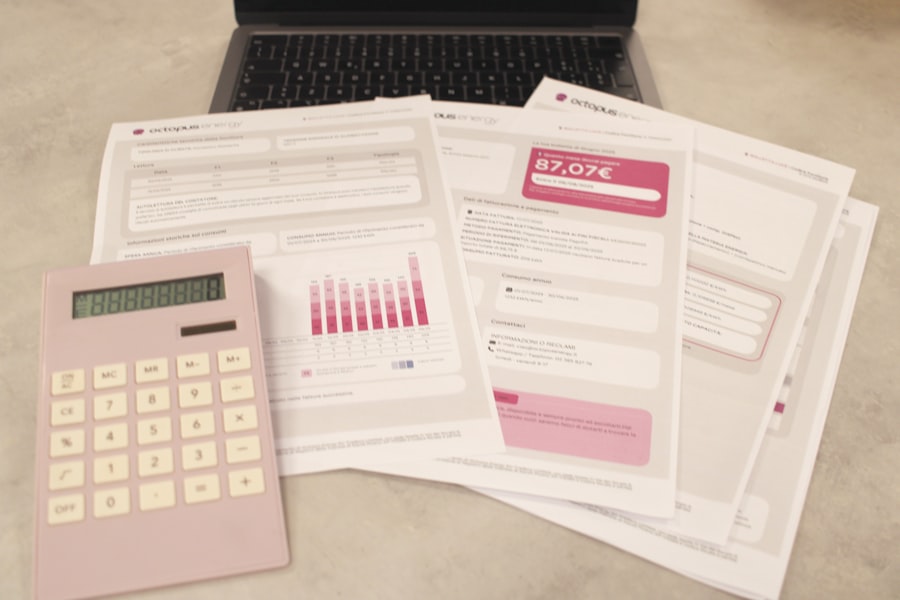
To enhance transparency in government accounting, several best practices can be adopted by public institutions. First and foremost, implementing standardized accounting frameworks across all levels of government is crucial. By adopting uniform reporting guidelines, agencies can ensure that financial information is presented consistently, making it easier for citizens to comprehend and compare data.
The International Public Sector Accounting Standards (IPSAS) provide a robust framework that can be utilized to achieve this goal. Additionally, governments should prioritize the development of user-friendly online platforms that allow citizens to access financial information easily. These platforms should present data in an intuitive format, enabling users to navigate through budgets, expenditures, and financial reports without requiring specialized knowledge.
Interactive dashboards that visualize financial data can further enhance understanding and engagement among the public. By making financial information readily accessible and comprehensible, governments can foster a culture of transparency that encourages citizen participation in the budgetary process.
The Role of Technology in Enhancing Transparency in Government Accounting
Technology plays a pivotal role in advancing transparency in government accounting practices. The advent of digital tools has revolutionized how financial data is collected, processed, and disseminated. For instance, cloud-based accounting systems allow for real-time tracking of expenditures and revenues, enabling government officials to monitor financial performance more effectively.
These systems can also facilitate automated reporting processes, reducing the likelihood of human error and ensuring that data is consistently updated. Moreover, blockchain technology has emerged as a powerful tool for enhancing transparency in government accounting. By providing a decentralized ledger that records transactions in an immutable manner, blockchain can significantly reduce opportunities for fraud and manipulation.
Governments can utilize blockchain to create transparent procurement processes, ensuring that contracts are awarded based on merit rather than favoritism. Additionally, smart contracts can automate compliance with financial regulations, further enhancing accountability within public institutions.
The Impact of Transparency in Government Accounting on Public Trust
| Metric | Description | Example Value | Unit |
|---|---|---|---|
| Budget Surplus/Deficit | Difference between government revenues and expenditures | -150 | Billion |
| Government Revenues | Total income from taxes, fees, and other sources | 3200 | Billion |
| Government Expenditures | Total spending on public services, infrastructure, and debt interest | 3350 | Billion |
| Public Debt | Total outstanding government debt | 28000 | Billion |
| Debt-to-GDP Ratio | Government debt as a percentage of Gross Domestic Product | 105 | Percent |
| Fiscal Year | Accounting period for government financial reporting | 2023-2024 | Year |
The relationship between transparency in government accounting and public trust is profound and multifaceted. When citizens perceive that their government operates transparently, they are more likely to trust public institutions and engage with them positively. Transparency fosters a sense of ownership among citizens regarding public finances; they feel empowered to voice their opinions on budgetary priorities and hold officials accountable for their decisions.
Conversely, a lack of transparency can lead to skepticism and disillusionment among the populace. When financial information is obscured or difficult to access, citizens may suspect mismanagement or corruption within government agencies. This erosion of trust can have far-reaching consequences, including decreased civic participation and increased social unrest.
Therefore, fostering transparency in government accounting is not merely an administrative concern; it is essential for maintaining the social contract between citizens and their government.
Case Studies of Successful Implementation of Transparent Government Accounting Practices
Several countries have successfully implemented transparent government accounting practices that serve as models for others to follow. One notable example is New Zealand, which has long been recognized for its commitment to transparency in public finance management. The country adopted a comprehensive set of reforms in the 1980s that included the introduction of accrual accounting and performance reporting.
These reforms have resulted in clear financial statements that provide insights into the government’s fiscal position and performance. Another exemplary case is Sweden’s open budget initiative, which allows citizens to access detailed information about the national budget process online. The initiative includes interactive tools that enable users to explore budget allocations by sector and region, fostering greater engagement with public finances.
This approach has not only improved transparency but has also encouraged citizen participation in budget discussions, leading to more informed decision-making by policymakers.
The Role of Stakeholders in Promoting Transparency in Government Accounting
Stakeholders play a crucial role in promoting transparency in government accounting practices. Civil society organizations (CSOs), for instance, act as advocates for accountability by monitoring government spending and demanding access to financial information. These organizations often conduct independent audits and assessments of public finances, providing valuable insights into areas where improvements are needed.
Additionally, the media serves as an essential stakeholder in promoting transparency by investigating and reporting on government financial practices. Investigative journalism can uncover discrepancies or irregularities in public spending, prompting governmental responses and reforms. Furthermore, academic institutions contribute by conducting research on best practices in government accounting and providing training programs for public officials on transparency-related issues.
Recommendations for Policy Changes to Improve Government Accounting Transparency
To enhance transparency in government accounting practices effectively, several policy changes should be considered. First, governments should mandate the adoption of standardized accounting frameworks across all levels of administration. This requirement would ensure consistency in financial reporting and facilitate better comparisons between different entities.
Second, legislation should be enacted to guarantee public access to government financial information. This could include provisions for regular reporting on budgetary allocations and expenditures through easily navigable online platforms. Additionally, governments should invest in training programs for public accountants to equip them with the skills necessary to implement transparent practices effectively.
Finally, fostering partnerships between governments and civil society organizations can create a collaborative environment where stakeholders work together to promote transparency. By engaging CSOs in budgetary processes and decision-making discussions, governments can benefit from diverse perspectives while enhancing accountability mechanisms. In conclusion, transparent government accounting practices are vital for fostering accountability and trust within democratic societies.
While challenges remain in achieving full transparency, adopting best practices and leveraging technology can significantly improve the situation. By recognizing the importance of stakeholder engagement and implementing policy changes aimed at enhancing transparency, governments can build stronger relationships with their citizens and ensure responsible management of public resources.