

Charitable giving is a cornerstone of a compassionate society, reflecting the values of empathy, solidarity, and social responsibility. The act of giving back to charity transcends mere financial contributions; it embodies a commitment to improving the lives of others and addressing societal challenges. In a world where disparities in wealth and opportunity are stark, charitable giving serves as a vital mechanism for redistributing resources and fostering a sense of community.
It allows individuals to take an active role in shaping the world around them, promoting social justice, and supporting those who are less fortunate. Moreover, the importance of giving back extends beyond the immediate benefits to recipients. Engaging in charitable activities can enhance the giver’s sense of purpose and fulfillment.

Studies have shown that individuals who participate in philanthropy often experience increased happiness and life satisfaction. This phenomenon can be attributed to the psychological rewards associated with altruism, where the act of helping others can lead to a profound sense of connection and belonging. In essence, giving back is not just about the impact on those in need; it also enriches the lives of those who choose to contribute.
Key Takeaways
- Giving back to charity fosters community support and personal fulfillment.
- Generous donations significantly improve resources and services for those in need.
- There are diverse ways to contribute, from monetary gifts to volunteering time.
- Collective giving amplifies impact by pooling resources and efforts.
- Choosing the right charity involves researching transparency, mission, and effectiveness.
How Generous Donations Make a Difference

Generous donations can catalyze significant change within communities and beyond. When individuals or organizations contribute substantial resources to charitable causes, they enable nonprofits to expand their reach and enhance their programs. For instance, a large donation to a local food bank can allow it to purchase more food supplies, hire additional staff, or even open new distribution centers.
This not only increases the immediate assistance available to those facing food insecurity but also strengthens the infrastructure of the organization, allowing it to serve more people over time. Furthermore, generous donations often provide the necessary funding for innovative projects that address systemic issues. For example, a philanthropic investment in education can lead to the development of new curricula, scholarships for underprivileged students, or after-school programs that keep children engaged and learning.
These initiatives can have long-lasting effects on individuals and communities, breaking cycles of poverty and creating pathways to success. The ripple effect of such contributions can be profound, as they empower individuals to improve their circumstances and contribute positively to society.
Ways to Get Involved in Charitable Giving
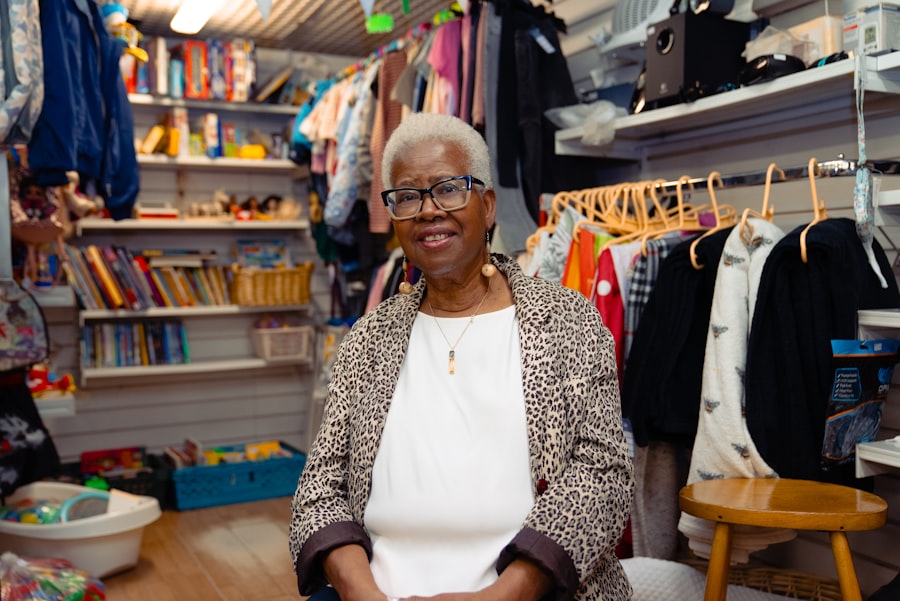
There are myriad ways for individuals to engage in charitable giving, each offering unique opportunities to make a difference. One of the most straightforward methods is through direct financial contributions to organizations that resonate with one’s values. This can be done through one-time donations or recurring monthly contributions, allowing donors to support their chosen causes consistently over time.
Many charities also offer options for donors to designate their funds for specific projects or initiatives, ensuring that contributions are used in ways that align with the donor’s intentions. In addition to monetary donations, individuals can also contribute their time and skills through volunteering. Many nonprofits rely heavily on volunteers to carry out their missions, whether it involves serving meals at a shelter, tutoring students, or participating in fundraising events.
Volunteering not only provides essential support to organizations but also fosters a deeper connection between the volunteer and the cause. Engaging directly with those being helped can offer invaluable insights into the challenges faced by communities and inspire further action.
The Impact of Generous Donations on Communities
The impact of generous donations on communities is often profound and multifaceted. Financial contributions can lead to immediate relief for pressing needs, such as food insecurity, homelessness, or healthcare access. For example, during natural disasters, donations can be mobilized quickly to provide emergency supplies and support recovery efforts.
This rapid response can save lives and help communities rebuild more effectively. Beyond immediate relief efforts, generous donations can also foster long-term development and sustainability within communities. Investments in education, healthcare, and infrastructure can create lasting change that empowers individuals and strengthens community resilience.
For instance, funding for vocational training programs can equip individuals with skills that enhance their employability, leading to economic growth and stability within the community. Similarly, donations aimed at improving public health initiatives can lead to healthier populations, reducing healthcare costs and improving quality of life.
How to Choose the Right Charity to Donate to
| Year | Total Donations (in millions) | Average Donation per Donor | Number of Donors (in thousands) | Percentage of Population Donating |
|---|---|---|---|---|
| 2020 | 4500 | 250 | 18000 | 35% |
| 2021 | 4800 | 260 | 18500 | 36% |
| 2022 | 5100 | 270 | 19000 | 37% |
| 2023 | 5300 | 280 | 19500 | 38% |
Selecting the right charity to support is a crucial step in ensuring that donations have the desired impact. One effective approach is to research organizations thoroughly before making a commitment. This includes examining their mission statements, programs, and financial transparency.
Websites like Charity Navigator or GuideStar provide valuable insights into nonprofit organizations’ performance metrics, helping potential donors assess their effectiveness and accountability. Additionally, aligning personal values with a charity’s mission can enhance the giving experience. Individuals should consider what causes resonate most with them—be it education, environmental conservation, healthcare, or social justice—and seek out organizations that focus on those areas.
Engaging with charities through events or volunteer opportunities can also provide a deeper understanding of their work and impact, allowing donors to make informed decisions about where their contributions will be most effective.
Tax Benefits of Charitable Giving
One often-overlooked aspect of charitable giving is the potential tax benefits associated with donations. In many countries, including the United States, contributions made to qualified nonprofit organizations are tax-deductible. This means that individuals can reduce their taxable income by the amount they donate, effectively lowering their overall tax burden.
For example, if someone donates $1,000 to a registered charity and falls within a 25% tax bracket, they could potentially save $250 on their taxes. Understanding the tax implications of charitable giving can encourage more individuals to contribute generously. However, it is essential for donors to keep accurate records of their contributions and obtain receipts from charities for tax purposes.
Additionally, some individuals may choose to donate appreciated assets such as stocks or real estate instead of cash. This strategy not only allows them to avoid capital gains taxes but also maximizes their charitable impact by enabling them to give more than they might have been able to in cash alone.
Creative Ways to Give Back to Charity
While traditional monetary donations are vital for many charities, there are numerous creative ways individuals can give back that may resonate more personally or fit better into their lifestyles. One innovative approach is through crowdfunding platforms that allow individuals to raise money for specific causes or projects. By leveraging social media networks and personal connections, fundraisers can mobilize support from friends and family while raising awareness about important issues.
Another creative avenue is through workplace giving programs or corporate matching gifts. Many companies encourage employees to donate by matching their contributions dollar-for-dollar or offering grants based on employee volunteer hours. This not only amplifies the impact of individual donations but also fosters a culture of philanthropy within organizations.
Additionally, hosting events such as charity runs, bake sales, or auctions can engage communities while raising funds for important causes.
The Power of Collective Giving: Joining Forces with Others to Make a Greater Impact
Collective giving represents a powerful approach to philanthropy that harnesses the strength of community collaboration. By pooling resources with others who share similar values and goals, individuals can amplify their impact significantly. This model often takes shape through giving circles or donor-advised funds where members contribute funds collectively and decide together how those funds will be allocated.
The benefits of collective giving extend beyond financial contributions; they also foster a sense of community among participants. Members often engage in discussions about social issues and potential solutions, leading to informed decision-making about where their collective resources will be directed. This collaborative approach not only enhances individual understanding of philanthropy but also builds networks of support that can lead to more significant change within communities.
In conclusion, charitable giving is an essential aspect of fostering social responsibility and community well-being. Through generous donations and active involvement in charitable activities, individuals can create meaningful change in the lives of others while enriching their own lives in the process. Whether through direct financial contributions, volunteering time and skills, or engaging in collective giving efforts, there are countless ways for people to make a difference in their communities and beyond.

