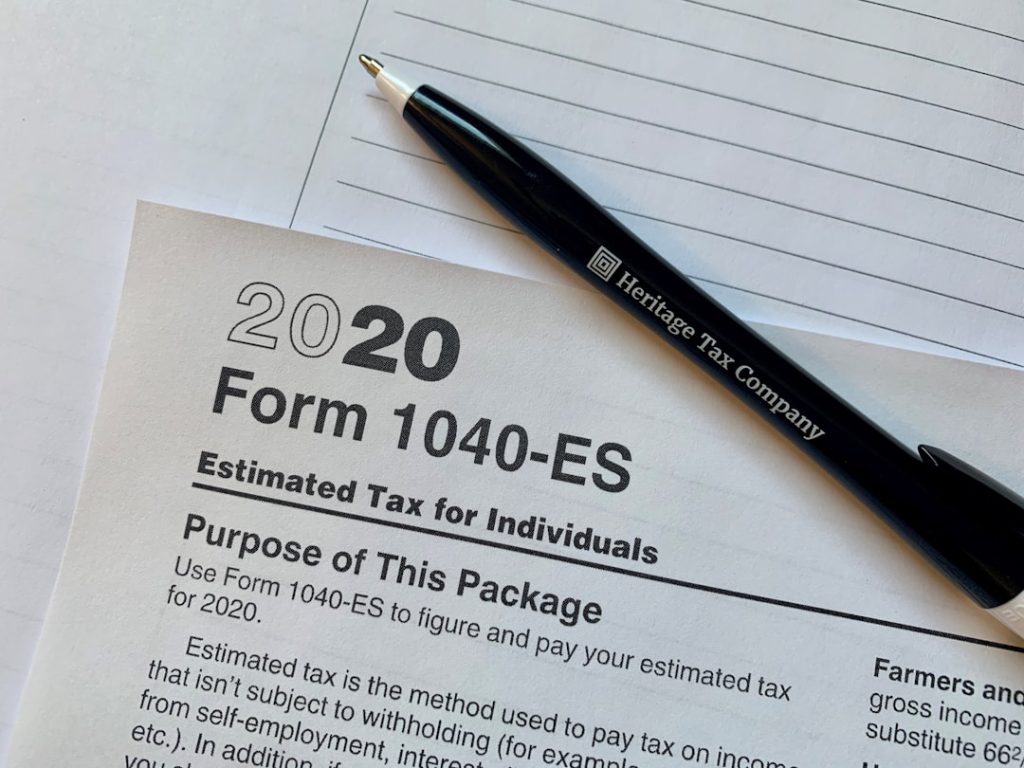
Income tax exemptions refer to specific amounts of income that are not subject to taxation, allowing individuals and entities to reduce their taxable income. These exemptions can significantly lower the overall tax burden, making them a crucial aspect of tax planning. The concept of income tax exemptions is rooted in the idea that certain types of income or specific circumstances warrant relief from taxation.
This can include various forms of income, such as gifts, inheritances, or certain types of investment income, which may be exempt from federal or state taxes. The rationale behind income tax exemptions often lies in promoting social welfare or encouraging specific behaviors. For instance, governments may provide exemptions to support charitable contributions, foster education, or incentivize home ownership.

By allowing taxpayers to exclude certain amounts from their taxable income, the government aims to stimulate economic activity and provide relief to individuals in specific situations. Understanding the nuances of these exemptions is essential for effective financial planning and ensuring compliance with tax regulations.
Key Takeaways
- Income tax exemptions reduce taxable income, lowering overall tax liability.
- Various types include exemptions for investments, donations, and specific income sources.
- Eligibility depends on factors like income level, age, and type of income.
- Claim exemptions by submitting required documents during tax filing.
- Understanding exemptions helps avoid misconceptions and optimize financial benefits.
Types of Income Tax Exemptions

Income tax exemptions can be broadly categorized into several types, each serving different purposes and targeting various demographics. One of the most common forms is the personal exemption, which allows taxpayers to deduct a set amount from their taxable income for themselves and their dependents. This exemption is designed to alleviate the tax burden on families and individuals, recognizing that basic living expenses must be accounted for when determining taxable income.
Another significant category includes exemptions related to specific types of income. For example, interest earned on municipal bonds is often exempt from federal income tax, making these investments attractive for individuals seeking tax-efficient ways to grow their wealth. Additionally, certain retirement accounts, such as Roth IRAs, allow for tax-free growth and withdrawals under specific conditions, providing a strategic avenue for long-term savings.
Charitable contributions also fall under this umbrella; donations made to qualified organizations can be deducted from taxable income, incentivizing philanthropy and community support.
Eligibility for Income Tax Exemptions

Eligibility for income tax exemptions varies widely depending on the type of exemption in question. Personal exemptions typically require taxpayers to meet specific criteria regarding their filing status and the number of dependents they claim. For instance, a single taxpayer may claim one personal exemption for themselves, while a married couple filing jointly can claim exemptions for both spouses and any qualifying dependents.
The IRS provides detailed guidelines on who qualifies as a dependent, which can include children and other relatives who live with the taxpayer and rely on them for financial support. In addition to personal exemptions, eligibility for other types of exemptions often hinges on specific conditions. For example, to qualify for the exemption on municipal bond interest, an investor must purchase bonds issued by state or local governments.
Similarly, to benefit from tax deductions related to charitable contributions, taxpayers must ensure that their donations are made to IRS-recognized 501(c)(3) organizations. Understanding these eligibility requirements is crucial for taxpayers seeking to maximize their benefits while remaining compliant with tax laws.
How to Claim Income Tax Exemptions
Claiming income tax exemptions involves a systematic approach during the tax filing process. Taxpayers must accurately report their income and identify any applicable exemptions on their tax returns. For personal exemptions, this typically involves completing the appropriate sections of IRS Form 1040 or its equivalents, where taxpayers indicate their filing status and list dependents.
It is essential to maintain accurate records of dependents’ Social Security numbers and other relevant information to substantiate claims. For other types of exemptions, such as those related to charitable contributions or municipal bond interest, taxpayers must provide additional documentation. This may include receipts for donations or statements from financial institutions detailing interest earned on exempt investments.
Taxpayers should also be aware of any limits or caps on deductions associated with these exemptions. For instance, while charitable contributions are generally deductible up to a certain percentage of adjusted gross income (AGI), there may be specific rules governing how much can be claimed in a given tax year.
Common Misconceptions about Income Tax Exemptions
| Exemption Type | Description | Maximum Exemption Amount | Eligibility Criteria | Applicable Tax Year |
|---|---|---|---|---|
| Personal Exemption | Standard deduction allowed for individual taxpayers | 12500 | All individual taxpayers | 2023-2024 |
| Dependent Exemption | Exemption for each qualifying dependent | 4000 per dependent | Taxpayers with qualifying dependents | 2023-2024 |
| Senior Citizen Exemption | Additional exemption for taxpayers aged 65 and above | 1500 | Taxpayers aged 65 or older | 2023-2024 |
| Disability Exemption | Exemption for taxpayers with certified disabilities | 3000 | Taxpayers with certified disabilities | 2023-2024 |
| Education Expense Exemption | Exemption for qualified education expenses | 2500 | Taxpayers with eligible education expenses | 2023-2024 |
Despite the clear guidelines surrounding income tax exemptions, several misconceptions persist among taxpayers. One prevalent myth is that all forms of income are taxable unless explicitly exempted. While it is true that most income is subject to taxation, various forms of income—such as gifts below a certain threshold or certain types of insurance payouts—may not be taxable at all.
This misunderstanding can lead individuals to overestimate their taxable income and consequently pay more in taxes than necessary. Another common misconception is that claiming exemptions is a straightforward process that requires little documentation or verification. In reality, taxpayers must provide substantial evidence to support their claims for exemptions, particularly when it comes to dependents or charitable contributions.
Failing to maintain proper records can result in denied claims or audits by the IRS. Therefore, it is crucial for taxpayers to educate themselves about the requirements and maintain thorough documentation throughout the year.
Impact of Income Tax Exemptions on Your Finances

Income tax exemptions can have a profound impact on an individual’s financial situation. By reducing taxable income, these exemptions can lead to significant savings on annual tax bills. For example, a taxpayer with a gross income of $50,000 who qualifies for a personal exemption of $4,000 would only be taxed on $46,000 of their income.
This reduction can result in lower overall tax liability and potentially place taxpayers in a lower tax bracket. Moreover, the strategic use of income tax exemptions can influence long-term financial planning. For instance, individuals who maximize their contributions to tax-advantaged accounts like IRAs or 401(k)s not only benefit from immediate tax reductions but also set themselves up for future financial security through compounded growth over time.
Understanding how different exemptions interact with overall financial goals allows individuals to make informed decisions that align with their broader financial strategies.
Changes in Income Tax Exemptions Over Time
Income tax exemptions are not static; they evolve in response to changes in legislation and economic conditions. Over the years, various administrations have adjusted exemption amounts and eligibility criteria as part of broader tax reform efforts. For instance, the Tax Cuts and Jobs Act (TCJA) enacted in 2017 significantly altered the landscape by eliminating personal exemptions while increasing the standard deduction.
This shift aimed to simplify the tax code but also had implications for how taxpayers approach their finances. Additionally, inflation adjustments play a critical role in determining exemption amounts over time. The IRS typically revises exemption limits annually based on inflation rates, ensuring that taxpayers receive appropriate relief as living costs rise.
Keeping abreast of these changes is essential for effective tax planning; failing to account for updated exemption amounts can lead to missed opportunities for savings.
Tips for Maximizing Income Tax Exemptions
To fully leverage income tax exemptions, taxpayers should adopt proactive strategies throughout the year rather than waiting until tax season arrives. One effective approach is maintaining organized records of all potential deductions and exemptions as they occur. This includes keeping receipts for charitable donations, tracking medical expenses that may qualify for deductions, and documenting any relevant financial transactions that could impact taxable income.
Additionally, engaging in regular financial reviews can help identify opportunities for maximizing exemptions. For instance, individuals should assess their investment portfolios periodically to ensure they are taking advantage of tax-exempt options like municipal bonds or retirement accounts that offer favorable tax treatment. Consulting with a tax professional can also provide valuable insights into personalized strategies tailored to individual circumstances and financial goals.
Furthermore, staying informed about changes in tax laws and regulations is crucial for optimizing benefits from income tax exemptions. Taxpayers should regularly review IRS publications and updates or consider subscribing to newsletters from reputable financial organizations that provide insights into evolving tax policies. By remaining proactive and informed, individuals can navigate the complexities of income tax exemptions effectively and enhance their overall financial well-being.