
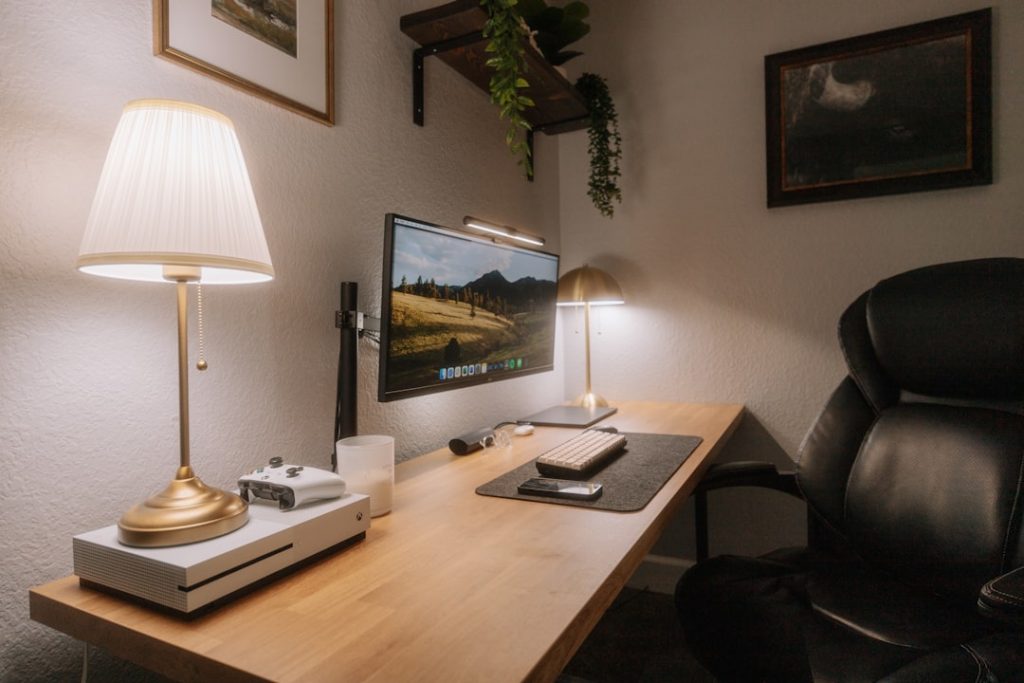
The concept of home office expenses has gained significant traction, particularly in the wake of the global shift towards remote work. As more individuals find themselves working from home, understanding what constitutes home office expenses becomes crucial for both financial management and tax purposes. Home office expenses refer to the costs incurred while maintaining a workspace within one’s residence.
These expenses can include a variety of items, such as utilities, internet services, office supplies, and even a portion of rent or mortgage interest. The IRS recognizes that many employees and self-employed individuals incur additional costs when they use their homes for business purposes, thus allowing for potential deductions. To qualify for these deductions, it is essential to grasp the distinction between direct and indirect expenses.

Direct expenses are those that are exclusively related to the home office, such as the cost of office furniture or equipment specifically purchased for that space. Indirect expenses, on the other hand, are shared costs that benefit both personal and business use, such as utilities or property taxes. Understanding this classification is vital for accurately reporting expenses and maximizing potential deductions.
As remote work continues to evolve, so too does the landscape of home office expenses, making it imperative for taxpayers to stay informed about current regulations and guidelines.
Key Takeaways
- Home office expenses must meet specific criteria to qualify for tax deductions.
- Proper documentation is essential to support home office expense claims.
- Only certain expenses related directly to the home office are deductible.
- Accurate calculation methods help maximize allowable home office deductions.
- Consulting a tax professional can optimize deductions and ensure compliance.

Qualifying for Home Office Tax Deductions
To qualify for home office tax deductions, taxpayers must meet specific criteria set forth by the IRS. The primary requirement is that the home office must be used regularly and exclusively for business purposes. This means that the designated space cannot serve dual functions; for instance, a room used as both a guest bedroom and an office would not qualify.
The IRS stipulates that the area must be a separate identifiable space within the home, which can include a dedicated room or a portion of a room that is used solely for work-related activities. Additionally, there are two primary methods for claiming home office deductions: the simplified method and the regular method. The simplified method allows taxpayers to deduct a standard rate per square foot of the home office space, up to a maximum of 300 square feet.
This method is straightforward and requires minimal record-keeping, making it an attractive option for many. Conversely, the regular method involves calculating actual expenses related to the home office, which can be more complex but may yield larger deductions depending on individual circumstances. Understanding these methods and their requirements is essential for anyone looking to take advantage of home office tax deductions.
Documenting Home Office Expenses

Accurate documentation is critical when it comes to claiming home office expenses on tax returns. The IRS requires taxpayers to maintain detailed records of all expenses related to their home office to substantiate their claims. This includes receipts for purchases, invoices for services rendered, and any other relevant financial documents that can demonstrate the legitimacy of the expenses incurred.
Keeping organized records not only aids in tax preparation but also provides a safety net in case of an audit. In addition to maintaining receipts, it is advisable to create a log or spreadsheet that tracks all home office-related expenses throughout the year. This log should categorize expenses into direct and indirect costs, making it easier to calculate total deductions at tax time.
For example, if an individual purchases a new desk specifically for their home office, this expense should be recorded separately from monthly utility bills that cover both personal and business use. By establishing a clear system for documenting expenses, taxpayers can ensure they are well-prepared when it comes time to file their taxes.
Calculating Home Office Deductions
Calculating home office deductions can be approached in two distinct ways: using the simplified method or the regular method. The simplified method is straightforward; taxpayers multiply the square footage of their home office by the prescribed rate set by the IRS. For instance, if an individual has a home office that measures 200 square feet, they would multiply 200 by the current rate (which is $5 per square foot as of 2023), resulting in a deduction of $1,000.
This method is particularly appealing for those who prefer simplicity and minimal record-keeping. On the other hand, the regular method requires a more detailed calculation involving actual expenses incurred. Taxpayers must first determine the percentage of their home used for business purposes by dividing the square footage of the home office by the total square footage of the home.
For example, if a home is 1,500 square feet and the office is 300 square feet, the business use percentage would be 20%. This percentage is then applied to various indirect expenses such as mortgage interest, property taxes, utilities, and homeowners insurance to determine the deductible amount. While this method may yield larger deductions for some individuals, it necessitates meticulous record-keeping and calculations.
Deductible Home Office Expenses
| Expense Category | Average Monthly Cost | Tax Deductible | Notes |
|---|---|---|---|
| Internet | 60 | Yes (proportionate) | Percentage based on home office usage |
| Electricity | 40 | Yes (proportionate) | Includes lighting and equipment power |
| Office Supplies | 30 | Yes | Paper, pens, printer ink, etc. |
| Furniture | 15 | Yes (depreciated) | Desk, chair, shelves |
| Phone | 25 | Yes (proportionate) | Business calls only |
| Rent/Mortgage | 500 | Yes (proportionate) | Based on square footage of office space |
| Maintenance & Repairs | 20 | Yes (proportionate) | Office-related repairs only |
When it comes to deductible home office expenses, there are several categories that taxpayers should be aware of. Direct expenses are fully deductible; these include costs specifically associated with maintaining the home office space. For example, if an individual purchases a new computer or printer solely for business use, these costs can be deducted in full.
Additionally, any repairs or improvements made directly to the home office area—such as painting or installing new lighting—are also fully deductible. Indirect expenses can be more complex since they are shared between personal and business use. However, taxpayers can still deduct a portion of these costs based on their business use percentage calculated earlier.
Common indirect expenses include utilities like electricity and water, internet service fees, and homeowners insurance premiums. For instance, if an individual’s total utility bill is $200 per month and their business use percentage is 20%, they could deduct $40 per month as a business expense. Understanding which expenses qualify for deduction is essential for maximizing tax benefits while ensuring compliance with IRS regulations.
Non-Deductible Home Office Expenses

While many expenses related to maintaining a home office can be deducted from taxable income, there are also several categories of non-deductible expenses that taxpayers should be aware of. Personal expenses that do not directly relate to business activities cannot be claimed as deductions. For example, costs associated with personal property maintenance or improvements that do not enhance the business aspect of the home office are not eligible for deduction.
Additionally, certain types of insurance premiums may not qualify for deduction under IRS guidelines. For instance, if an individual has a life insurance policy or health insurance premiums unrelated to their business activities, these costs cannot be deducted as home office expenses. Furthermore, any fines or penalties incurred due to violations of local laws or regulations are also non-deductible.
Being aware of these non-deductible expenses helps taxpayers avoid potential pitfalls during tax season and ensures compliance with IRS rules.
Tips for Maximizing Home Office Tax Deductions
Maximizing home office tax deductions requires strategic planning and diligent record-keeping throughout the year. One effective tip is to regularly review and categorize all expenses related to the home office as they occur rather than waiting until tax season approaches. By maintaining an organized system—such as using accounting software or spreadsheets—taxpayers can easily track their expenditures and ensure they capture all eligible deductions.
Another strategy involves taking advantage of all available deductions by being thorough in identifying both direct and indirect expenses. Taxpayers should consider all aspects of their work-from-home setup; this includes not only physical items like furniture and equipment but also recurring costs such as internet service and phone bills. Additionally, individuals should keep abreast of any changes in IRS regulations regarding home office deductions to ensure they are taking full advantage of available benefits.
Seeking Professional Advice for Home Office Tax Deductions
Navigating the complexities of home office tax deductions can be challenging, particularly for those unfamiliar with tax laws and regulations. Seeking professional advice from a certified public accountant (CPA) or tax advisor can provide invaluable insights into maximizing deductions while ensuring compliance with IRS guidelines. These professionals possess extensive knowledge about current tax laws and can offer tailored advice based on individual circumstances.
Moreover, tax professionals can assist in identifying potential deductions that taxpayers may overlook on their own. They can help clarify which expenses qualify as deductible and guide individuals through the process of accurately documenting and calculating these costs. Engaging with a tax advisor not only alleviates stress during tax season but also enhances financial planning strategies throughout the year, ultimately leading to more informed decisions regarding home office expenditures and potential savings on taxes.

