

To effectively manage personal finances, individuals must maintain a comprehensive understanding of their income and expenses. Income encompasses all monetary inflows, including employment salaries, performance bonuses, rental property revenue, investment dividends, and supplementary earnings from secondary employment or freelance activities. Expenses represent all financial outflows required for daily living, categorized into fixed costs such as housing payments, utility bills, and insurance premiums, alongside variable costs including food purchases, entertainment expenditures, and discretionary purchases.
A thorough analysis of both income and expense patterns enables individuals to make data-driven financial decisions and assess their overall economic position. Creating a detailed financial inventory serves as an effective approach to understanding one’s monetary situation. This process involves documenting all income sources and systematically categorizing expenses using spreadsheet software or dedicated budgeting applications.

For example, an individual earning a base monthly salary of $4,000 may supplement this with $500 from freelance consulting and $200 from dividend payments, totaling $4,700 in monthly income. Expenses can be organized into essential categories such as housing and nutrition, and non-essential categories including restaurant dining and subscription services. This systematic breakdown provides clear visibility into cash flow patterns, enabling strategic adjustments to spending behaviors that support long-term financial objectives.
Key Takeaways
- Know your income sources and categorize your expenses to get a clear financial picture.
- Develop a budget that reflects your actual spending habits and financial goals.
- Regularly track your cash flow to stay on top of your financial situation.
- Address cash flow problems promptly by adjusting spending or increasing income.
- Manage debt wisely, build an emergency fund, and consider professional advice for complex financial decisions.
Creating a Realistic Budget

Once you have a clear understanding of your income and expenses, the next step is to create a realistic budget. A budget serves as a financial roadmap that helps you allocate your resources effectively while ensuring that you live within your means. To create a budget that reflects your actual financial situation, start by determining your financial goals.
These could range from saving for a vacation to paying off debt or building a retirement fund. Your goals will guide how you allocate your income across various categories. When constructing your budget, consider using the 50/30/20 rule as a foundational guideline.
This rule suggests that 50% of your income should go toward needs (essential expenses), 30% toward wants (discretionary spending), and 20% toward savings and debt repayment. For example, if your monthly income is $4,000, you would allocate $2,000 for needs, $1,200 for wants, and $800 for savings and debt repayment. However, it’s essential to tailor this framework to fit your unique circumstances.
If you have significant debt or specific savings goals, you may need to adjust these percentages accordingly to ensure that you are prioritizing what matters most to you.
Tracking and Monitoring Cash Flow
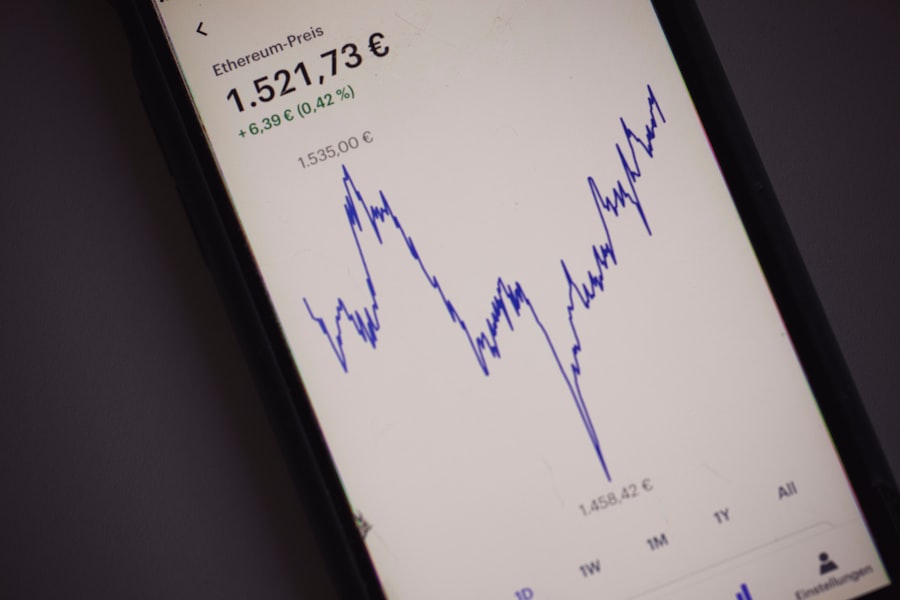
Tracking and monitoring cash flow is an essential component of effective financial management. Cash flow refers to the movement of money in and out of your accounts over a specific period. By keeping a close eye on your cash flow, you can identify trends in your spending habits and make necessary adjustments to stay on track with your budget.
There are various tools available for tracking cash flow, including budgeting apps, spreadsheets, or even traditional pen-and-paper methods. To effectively monitor cash flow, start by recording all transactions regularly. This includes not only fixed expenses but also variable costs that may fluctuate from month to month.
For instance, if you notice that your grocery bills have increased significantly over the past few months, it may be time to reassess your shopping habits or explore ways to cut costs in that area. Additionally, reviewing your cash flow statements on a monthly basis can help you identify any discrepancies between your budgeted amounts and actual spending. This practice not only keeps you accountable but also empowers you to make informed decisions about future expenditures.
Identifying and Addressing Cash Flow Issues
Despite careful planning and monitoring, cash flow issues can arise unexpectedly due to various factors such as job loss, medical emergencies, or unplanned expenses. Identifying these issues early on is crucial for mitigating their impact on your financial stability. One common sign of cash flow problems is consistently overspending in certain categories or finding it challenging to cover essential expenses each month.
If you find yourself relying on credit cards or loans to make ends meet, it’s a clear indication that adjustments are needed. Addressing cash flow issues requires a proactive approach. Start by analyzing your spending patterns to identify areas where you can cut back without sacrificing essential needs.
For example, if dining out frequently is straining your budget, consider cooking at home more often or exploring less expensive dining options. Additionally, look for opportunities to increase your income through side jobs or freelance work. This dual approach—reducing expenses while seeking additional income—can help restore balance to your cash flow and provide greater financial security.
Managing Debt and Credit
| Month | Budgeted Income | Actual Income | Budgeted Expenses | Actual Expenses | Net Cash Flow | Cumulative Cash Flow |
|---|---|---|---|---|---|---|
| January | 5000 | 4800 | 3000 | 3200 | 1600 | 1600 |
| February | 5200 | 5300 | 3100 | 3000 | 2300 | 3900 |
| March | 5100 | 5000 | 3200 | 3300 | 1700 | 5600 |
| April | 5300 | 5400 | 3100 | 3000 | 2400 | 8000 |
| May | 5500 | 5600 | 3300 | 3400 | 2200 | 10200 |
Managing debt and credit is a critical aspect of maintaining financial health. Debt can take many forms, including credit card balances, student loans, mortgages, and personal loans. While some debt can be considered “good” (such as a mortgage that builds equity), excessive or poorly managed debt can lead to financial strain and stress.
Understanding the terms of your debts—such as interest rates, repayment schedules, and any penalties for late payments—is essential for effective management. To manage debt effectively, consider implementing strategies such as the snowball or avalanche method for repayment. The snowball method involves paying off smaller debts first to build momentum and motivation, while the avalanche method focuses on paying off debts with the highest interest rates first to minimize overall interest paid.
Additionally, maintaining a good credit score is vital for securing favorable loan terms in the future. Regularly checking your credit report for errors and making timely payments can help improve your creditworthiness over time.
Building an Emergency Fund
An emergency fund serves as a financial safety net that can protect you from unexpected expenses such as medical emergencies, car repairs, or job loss. Financial experts typically recommend saving three to six months’ worth of living expenses in an easily accessible account. This fund provides peace of mind and allows you to navigate unforeseen circumstances without resorting to high-interest debt.
To build an emergency fund effectively, start by setting a specific savings goal based on your monthly expenses. For example, if your monthly expenses total $3,000, aim for an emergency fund of at least $9,000 to $18,000. Consider automating your savings by setting up regular transfers from your checking account to a dedicated savings account each month.
This approach not only makes saving easier but also helps you prioritize building this essential fund as part of your overall financial strategy.
Investing and Saving for the Future
Investing is a crucial component of long-term financial planning that allows individuals to grow their wealth over time. While saving provides security in the short term, investing can help combat inflation and build wealth for future goals such as retirement or purchasing a home. There are various investment vehicles available, including stocks, bonds, mutual funds, real estate, and retirement accounts like 401(k)s or IRAs.
When considering investments, it’s important to assess your risk tolerance and investment horizon. Younger investors may opt for more aggressive investments with higher potential returns but also higher risks, while those closer to retirement may prefer more conservative options that preserve capital. Diversification is another key principle in investing; spreading investments across different asset classes can help mitigate risk while maximizing potential returns.
Regularly reviewing and adjusting your investment portfolio based on market conditions and personal goals is essential for long-term success.
Seeking Professional Help if Needed
While many individuals can manage their finances independently with diligence and discipline, there are times when seeking professional help becomes necessary. Financial advisors can provide valuable insights tailored to your unique situation—whether it’s creating a comprehensive financial plan, optimizing investment strategies, or navigating complex tax situations. A qualified advisor can help clarify goals and develop actionable steps toward achieving them.
When considering professional assistance, it’s important to choose an advisor who aligns with your values and understands your financial objectives. Look for credentials such as Certified Financial Planner (CFP) or Chartered Financial Analyst (CFA) designations that indicate expertise in the field. Additionally, consider whether the advisor operates on a fee-only basis or earns commissions from product sales; understanding their compensation structure can help ensure that their recommendations are in your best interest rather than driven by potential commissions.
In conclusion, managing personal finances requires a multifaceted approach that encompasses understanding income and expenses, creating realistic budgets, tracking cash flow, addressing issues proactively, managing debt wisely, building emergency funds, investing for the future, and seeking professional guidance when necessary. Each of these components plays a vital role in achieving financial stability and security over time.

