

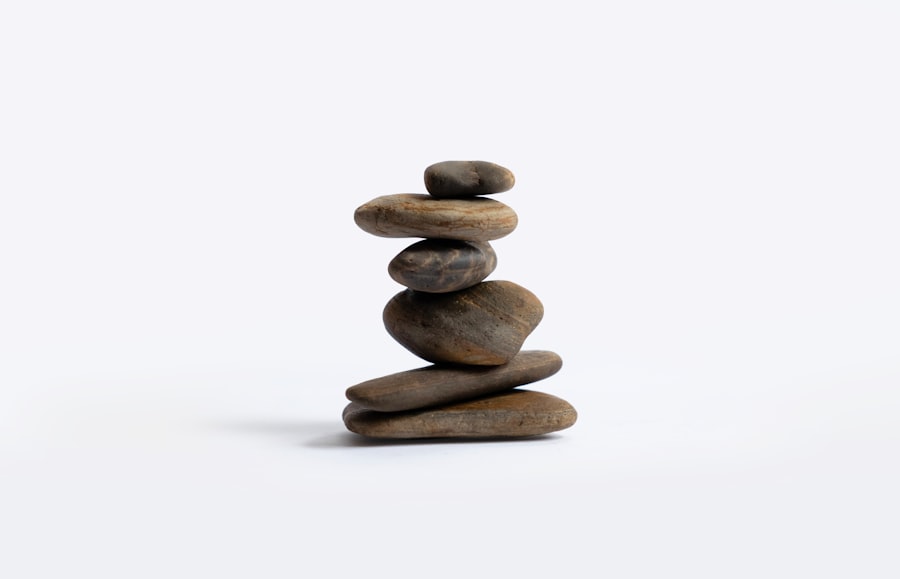
Balance is a multifaceted concept that extends beyond simple equilibrium, involving the harmonious integration of work, relationships, health, and personal growth. It represents a state where different elements coexist without one dominating others. This equilibrium is dynamic, requiring continuous adjustment as circumstances change.
For example, during demanding work periods, more time might be allocated to professional responsibilities, but this should not completely sacrifice personal health or relationships. Balance fundamentally involves recognizing life’s trade-offs and making conscious choices that reflect individual values and priorities. Societal expectations and cultural norms significantly influence how people pursue balance.

Many cultures equate success with constant work and achievement, which can lead individuals to neglect family, friendships, and self-care. Achieving balance requires critically examining these external pressures and reflecting on personal priorities. Balance is subjective—what constitutes balance varies from person to person.
The pursuit of balance is therefore a personal journey requiring ongoing reflection and adjustment.
Key Takeaways
- Balance involves harmonizing different aspects of life to achieve overall well-being.
- Recognizing areas of imbalance is the first step toward making positive changes.
- Effective strategies include time management, prioritization, and setting clear boundaries.
- Self-care is essential for maintaining energy and mental health, supporting balance.
- Mindfulness and limiting technology use help stay present and sustain life balance.

Identifying areas of imbalance in your life
Recognizing areas of imbalance in one’s life is a crucial first step toward achieving a more harmonious existence. This process often begins with self-reflection and an honest assessment of how time and energy are allocated across various domains. Individuals may find it helpful to keep a journal or log their daily activities to identify patterns that reveal where they are overcommitted or under-engaged.
For example, someone might discover that they are spending excessive hours at work while neglecting their physical health or social connections. This realization can serve as a wake-up call, prompting them to reevaluate their priorities and make necessary adjustments. Another effective method for identifying imbalances is through feedback from trusted friends or family members.
Often, those close to us can provide insights into our behaviors and habits that we may overlook. They might point out that we frequently cancel social plans due to work commitments or seem perpetually stressed and fatigued. Engaging in open conversations about one’s lifestyle can illuminate blind spots and encourage accountability.
Additionally, utilizing tools such as life balance assessments or questionnaires can provide a structured approach to evaluating different life domains, helping individuals pinpoint specific areas that require attention.
Strategies for achieving balance in work and personal life
Achieving balance between work and personal life necessitates the implementation of practical strategies that promote efficiency and well-being. One effective approach is time management, which involves prioritizing tasks based on urgency and importance. Techniques such as the Eisenhower Matrix can help individuals categorize their responsibilities into four quadrants: urgent and important, important but not urgent, urgent but not important, and neither urgent nor important.
By focusing on what truly matters, individuals can allocate their time more effectively, ensuring that both work obligations and personal interests receive adequate attention. In addition to time management, setting clear goals can significantly enhance one’s ability to maintain balance. Establishing specific, measurable, achievable, relevant, and time-bound (SMART) goals allows individuals to create a roadmap for their professional and personal lives.
For instance, someone might set a goal to exercise three times a week while also aiming to complete a major work project by a certain deadline. By delineating these objectives, individuals can create a structured plan that accommodates both their career aspirations and personal well-being. Regularly reviewing and adjusting these goals ensures that they remain aligned with evolving priorities.
The importance of self-care and its role in achieving balance
Self-care is an essential component of achieving balance in life, as it directly impacts physical health, mental well-being, and overall quality of life. Engaging in self-care practices allows individuals to recharge and rejuvenate, enabling them to face daily challenges with resilience and clarity. This can take many forms, from physical activities like exercise and yoga to mental practices such as meditation or journaling.
For example, dedicating time each week to engage in a favorite hobby or activity can provide a much-needed respite from the demands of work and family life. Moreover, self-care is not merely an indulgence; it is a necessity for maintaining productivity and effectiveness in all areas of life. Research has shown that individuals who prioritize self-care tend to experience lower levels of stress and burnout, leading to improved performance at work and more fulfilling personal relationships.
For instance, taking regular breaks during the workday can enhance focus and creativity, ultimately benefiting professional output. By recognizing self-care as an integral part of achieving balance rather than an afterthought, individuals can cultivate healthier habits that support their overall well-being.
Setting boundaries and learning to say no
| Account | Amount | Type | Date |
|---|---|---|---|
| Cash and Cash Equivalents | 150,000 | Asset | 2024-06-30 |
| Accounts Receivable | 75,000 | Asset | 2024-06-30 |
| Inventory | 50,000 | Asset | 2024-06-30 |
| Property, Plant, and Equipment | 300,000 | Asset | 2024-06-30 |
| Accounts Payable | 60,000 | Liability | 2024-06-30 |
| Long-term Debt | 200,000 | Liability | 2024-06-30 |
| Owner’s Equity | 315,000 | Equity | 2024-06-30 |
Establishing boundaries is crucial for maintaining balance in both personal and professional realms. Boundaries serve as guidelines that define what is acceptable behavior from others and what individuals are willing to accept in their lives. Learning to say no is an essential skill in this context; it empowers individuals to protect their time and energy from being depleted by excessive commitments or obligations.
For example, if someone finds themselves overwhelmed with work tasks but also feels pressured to take on additional projects, asserting their limits by declining new responsibilities can prevent burnout. Effective boundary-setting requires clear communication and assertiveness. It is important for individuals to articulate their needs and limits without feeling guilty or apologetic.
This might involve having difficult conversations with colleagues or loved ones about workload expectations or personal time requirements. By being transparent about one’s boundaries, individuals foster respect from others while also reinforcing their commitment to maintaining balance in their lives. Over time, practicing this assertiveness can lead to healthier relationships where mutual respect for boundaries becomes the norm.
Finding balance in relationships and social life

Relationships play a pivotal role in achieving balance; they can either contribute positively to one’s well-being or create additional stressors if not managed effectively. To cultivate balanced relationships, it is essential to invest time in nurturing connections with family and friends while also recognizing when certain relationships may be draining or toxic. For instance, spending quality time with supportive friends can enhance emotional resilience, while engaging with negative influences may lead to feelings of anxiety or inadequacy.
Additionally, finding balance in social life involves being selective about commitments and understanding one’s social energy levels. Some individuals thrive on social interactions, while others may find them exhausting after prolonged exposure. It is important to honor these differences by creating a social calendar that reflects personal preferences rather than societal expectations.
This might mean opting for smaller gatherings with close friends instead of large parties or prioritizing quiet evenings at home over constant social engagements. By aligning social activities with personal energy levels, individuals can foster meaningful connections without compromising their sense of balance.
The impact of technology and media on balance
In today’s digital age, technology plays a dual role in the quest for balance; it can facilitate connection and productivity but also contribute to feelings of overwhelm and distraction. The constant influx of information from social media platforms, emails, and notifications can create an environment where individuals feel perpetually “on.” This hyper-connectivity often blurs the lines between work and personal life, making it challenging to disengage from professional responsibilities during off-hours. To mitigate the negative impact of technology on balance, individuals must develop intentional habits around its use.
This could involve setting specific times for checking emails or social media rather than allowing these activities to intrude upon personal time. Additionally, utilizing tools such as digital wellness apps can help track screen time and promote healthier usage patterns. By establishing boundaries around technology use—such as implementing tech-free zones during family meals or designating certain hours for uninterrupted personal time—individuals can reclaim control over their lives and foster a more balanced existence.
Practicing mindfulness and staying present to maintain balance
Mindfulness is a powerful practice that encourages individuals to stay present in the moment, fostering greater awareness of thoughts, feelings, and surroundings. This heightened awareness can significantly contribute to achieving balance by helping individuals recognize when they are becoming overwhelmed or distracted by external pressures. Mindfulness practices such as meditation, deep breathing exercises, or even mindful walking can ground individuals in the present moment, allowing them to respond thoughtfully rather than react impulsively.
Incorporating mindfulness into daily routines can also enhance overall well-being by promoting emotional regulation and reducing stress levels. For example, taking a few moments each day to engage in mindful breathing can create a sense of calm amidst a busy schedule. Additionally, practicing gratitude through mindfulness encourages individuals to appreciate the positive aspects of their lives rather than fixating on what feels unbalanced or lacking.
By cultivating mindfulness as a regular practice, individuals can develop resilience against stressors while maintaining a clearer perspective on their priorities—ultimately leading to a more balanced life experience.

