

In an increasingly digital world, personal finance apps have emerged as essential tools for managing one’s financial health. These applications provide users with the ability to track their spending, budget effectively, and even invest wisely, all from the convenience of their smartphones or tablets. The rise of personal finance apps can be attributed to the growing need for financial literacy and the desire for individuals to take control of their financial futures.
With the complexities of modern financial systems, these apps serve as a bridge, simplifying the often daunting task of managing personal finances. The appeal of personal finance apps lies not only in their functionality but also in their accessibility. Users can monitor their financial activities in real-time, gaining insights that were once only available through detailed spreadsheets or consultations with financial advisors.

As technology continues to evolve, these applications are becoming more sophisticated, incorporating features that cater to a wide range of financial needs. From college students managing their first budgets to seasoned investors tracking their portfolios, personal finance apps offer tailored solutions that empower users to make informed financial decisions.
Key Takeaways
- Personal finance apps help users manage money by tracking expenses, budgeting, and monitoring investments.
- Key features include budgeting tools, expense tracking, bill reminders, investment monitoring, and credit score updates.
- Effective budgeting and expense tracking are essential for maintaining financial health and avoiding overspending.
- Integration of bill payment reminders and credit score monitoring helps users stay on top of financial obligations and credit health.
- Security and privacy are critical considerations when choosing a personal finance app to protect sensitive financial data.
Features to Look for in a Personal Finance App

When selecting a personal finance app, it is crucial to consider a variety of features that can enhance the user experience and provide comprehensive financial management. One of the most important features is user-friendly interface design. An intuitive layout allows users to navigate the app effortlessly, ensuring that they can access vital information without unnecessary complications.
A well-designed app will present data clearly, using graphs and charts to visualize spending habits and budget allocations, making it easier for users to understand their financial situation at a glance. Another essential feature is the ability to sync with bank accounts and credit cards. This functionality enables automatic transaction tracking, which saves users from the tedious task of manual entry.
By linking accounts, users can receive real-time updates on their spending and account balances, allowing for more accurate budgeting. Additionally, many apps offer categorization of expenses, which helps users identify spending patterns and areas where they can cut back. This feature not only aids in budgeting but also fosters a greater awareness of financial habits.
Budgeting and Expense Tracking
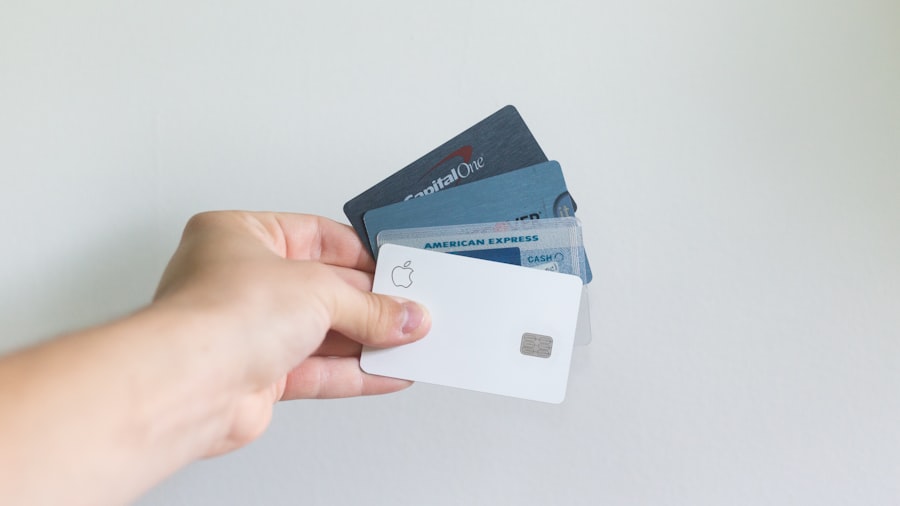
Budgeting is a cornerstone of personal finance management, and effective apps provide robust tools for creating and maintaining budgets. Users can set specific spending limits for various categories such as groceries, entertainment, and transportation. By establishing these limits, individuals can cultivate disciplined spending habits that align with their financial goals.
Many apps also allow users to adjust their budgets based on changing circumstances, such as unexpected expenses or income fluctuations, ensuring that they remain adaptable in their financial planning. Expense tracking is equally vital, as it provides users with a clear picture of where their money is going. Personal finance apps often categorize expenses automatically based on transaction data, which helps users identify trends over time.
For instance, a user may discover that they are spending significantly more on dining out than they had anticipated. This insight can prompt them to reassess their budget and make necessary adjustments. Furthermore, some apps offer features that allow users to set alerts for when they approach their budget limits, providing an additional layer of accountability.
Investment and Savings Tracking
In addition to budgeting and expense tracking, many personal finance apps now include features for investment and savings tracking. As individuals become more interested in building wealth through investments, having a tool that consolidates this information is invaluable. Users can link their investment accounts to the app, allowing them to monitor portfolio performance in real-time.
This feature often includes analytics that provide insights into asset allocation and investment growth over time, helping users make informed decisions about buying or selling assets. Savings tracking is another critical component of personal finance management. Many apps offer goal-setting features that allow users to specify savings targets for various purposes, such as vacations, emergency funds, or retirement.
Users can track their progress toward these goals visually, which can be highly motivating. For example, an app might display a progress bar that fills as users contribute to their savings goal, providing a sense of accomplishment as they move closer to achieving their objectives.
Bill Payment and Reminder
| App Name | Platform | Key Features | Pricing | User Rating (out of 5) |
|---|---|---|---|---|
| Mint | iOS, Android, Web | Budget tracking, bill reminders, credit score monitoring | Free | 4.5 |
| YNAB (You Need A Budget) | iOS, Android, Web | Zero-based budgeting, goal tracking, debt payoff tools | Subscription-based | 4.7 |
| Personal Capital | iOS, Android, Web | Investment tracking, retirement planner, budgeting | Free (Wealth management services available) | 4.6 |
| PocketGuard | iOS, Android | Spending limits, bill tracking, savings goals | Free with premium option | 4.3 |
| Goodbudget | iOS, Android, Web | Envelope budgeting, expense tracking, sync across devices | Free with premium option | 4.2 |
Managing bills is a significant aspect of personal finance that can often lead to stress if not handled properly. Personal finance apps frequently include bill payment features that streamline this process. Users can input their recurring bills into the app, which then tracks due dates and amounts owed.
This functionality helps prevent late payments and the associated fees that can arise from missed deadlines. Some apps even allow users to pay bills directly through the platform, further simplifying the process. In addition to bill payment capabilities, reminder notifications are an essential feature that enhances user experience.
These reminders can be customized based on individual preferences, alerting users days in advance of upcoming payments. This proactive approach ensures that users remain aware of their financial obligations and can plan accordingly. For instance, if a user has a mortgage payment due on the first of each month, they can set a reminder for several days prior to ensure they have sufficient funds available.
Credit Score Monitoring

Understanding one’s credit score is crucial for making informed financial decisions, particularly when it comes to loans and mortgages. Many personal finance apps now offer credit score monitoring as part of their suite of features. This allows users to check their credit scores regularly without incurring additional costs from credit reporting agencies.
By providing access to credit scores along with explanations of what factors influence them—such as payment history and credit utilization—these apps empower users to take steps toward improving their creditworthiness. Moreover, some apps provide personalized tips for enhancing credit scores based on individual financial behavior. For example, if a user’s credit utilization ratio is high due to carrying balances on multiple credit cards, the app might suggest strategies for paying down debt or consolidating balances to improve their score.
This level of insight can be invaluable for users looking to make significant purchases in the future or seeking better interest rates on loans.
Security and Privacy
As personal finance apps handle sensitive financial information, security and privacy are paramount concerns for users. Reputable apps employ advanced encryption technologies to protect user data from unauthorized access. This includes secure login processes such as two-factor authentication (2FA), which adds an extra layer of security by requiring users to verify their identity through a secondary method—such as a text message or email—before accessing their accounts.
In addition to encryption and secure logins, transparency regarding data usage is essential for building trust with users. Personal finance apps should clearly outline how they collect, store, and use user data in their privacy policies. Users should feel confident that their information will not be sold or shared with third parties without consent.
Furthermore, some apps offer features that allow users to control what data they share and with whom, providing an added sense of security in an era where data breaches are increasingly common.
Conclusion and Recommendations
In navigating the landscape of personal finance apps, it is essential for users to choose applications that align with their specific needs and preferences. The right app can significantly enhance one’s ability to manage finances effectively while providing valuable insights into spending habits and investment opportunities. When evaluating options, individuals should prioritize features such as budgeting tools, expense tracking capabilities, investment monitoring, bill payment functionalities, credit score tracking, and robust security measures.
Ultimately, the best personal finance app is one that not only meets immediate financial management needs but also adapts as those needs evolve over time. By leveraging technology effectively, individuals can take charge of their financial futures with confidence and clarity. As personal finance continues to gain importance in our daily lives, embracing these digital tools will undoubtedly play a pivotal role in achieving long-term financial success.

