
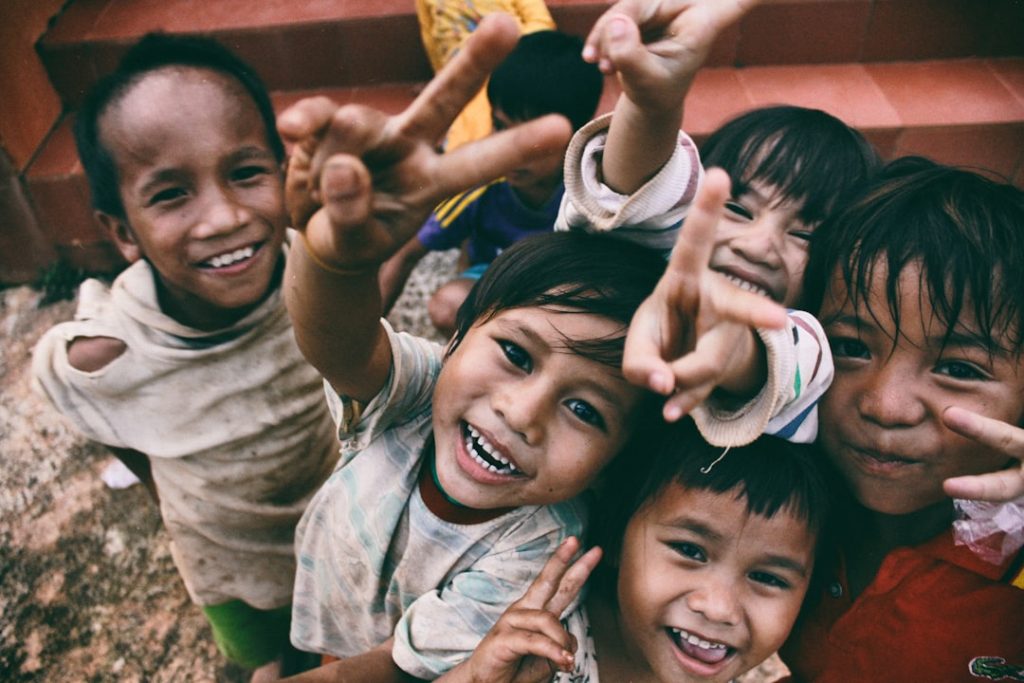
Generous giving has a profound impact on both individuals and communities, shaping the social fabric and fostering a culture of empathy and support. When individuals or organizations commit to philanthropy, they not only provide financial resources but also inspire others to engage in acts of kindness and generosity. This ripple effect can lead to a more compassionate society where people feel a sense of responsibility towards one another.
For instance, high-profile philanthropists like Bill and Melinda Gates have not only donated billions to health and education initiatives but have also encouraged a new generation of givers to consider their impact on the world. Their efforts have sparked conversations about wealth distribution and the moral obligations of the affluent, thereby influencing societal norms around giving. Moreover, generous giving can significantly alter the landscape of social services and community support systems.
Charitable donations often fill gaps left by government funding, particularly in areas such as mental health, homelessness, and education. For example, local food banks rely heavily on donations from individuals and businesses to provide meals for those in need. In many cases, these contributions are not just monetary; they include food items, clothing, and volunteer hours.
This multifaceted approach to giving creates a robust support network that can adapt to the specific needs of a community, ultimately leading to improved quality of life for its members.
Key Takeaways
- Generous giving significantly strengthens communities and supports nonprofit organizations.
- Charitable donations play a crucial role in driving social change and addressing global challenges.
- Giving benefits both individuals and society by fostering well-being and social cohesion.
- Contributions to education and healthcare improve access and quality of essential services.
- Emerging trends and innovations are shaping the future landscape of philanthropic giving.
How Charitable Donations Support Communities
Charitable donations serve as a lifeline for many communities, providing essential resources that enable local organizations to thrive. Nonprofits often depend on these contributions to fund their programs, which can range from after-school tutoring for at-risk youth to shelters for the homeless. For instance, organizations like Habitat for Humanity rely on donations to build affordable housing for families in need.
Each contribution helps cover construction costs, materials, and labor, allowing these organizations to fulfill their mission of providing safe and stable homes. The direct impact of such donations is evident in the lives of families who gain not just shelter but also a sense of dignity and belonging. In addition to direct financial support, charitable donations foster community engagement and volunteerism.
When individuals contribute to local causes, they often become more invested in their communities. This engagement can manifest in various ways, such as volunteering time at local shelters or participating in fundraising events. For example, community members who donate to a local animal shelter may also choose to volunteer their time walking dogs or helping with adoption events.
This active participation not only strengthens the organization but also builds social bonds among residents, creating a more cohesive community where individuals feel connected and empowered.
The Role of Generous Giving in Nonprofit Organizations

Nonprofit organizations are often the backbone of charitable efforts, relying heavily on generous giving to sustain their operations and fulfill their missions. These organizations typically operate on tight budgets, making every donation critical to their success. For instance, a small nonprofit focused on environmental conservation may depend on grants and individual donations to fund its initiatives, such as tree planting or wildlife rehabilitation programs.
Without the generosity of donors, many nonprofits would struggle to maintain their programs or even survive. Furthermore, generous giving allows nonprofits to innovate and expand their services. With additional funding, organizations can explore new projects or enhance existing ones.
For example, a nonprofit dedicated to mental health may use donations to develop new outreach programs that target underserved populations. This ability to adapt and grow is essential in addressing the evolving needs of communities. Additionally, generous giving can help nonprofits build capacity by investing in staff training or technology upgrades, ultimately leading to more effective service delivery.
Generous Giving and Social Change
Generous giving plays a crucial role in driving social change by addressing systemic issues and advocating for marginalized populations. Philanthropic efforts often focus on areas such as poverty alleviation, racial equality, and environmental sustainability. For instance, organizations like the Ford Foundation have made significant contributions toward social justice initiatives aimed at dismantling systemic racism and promoting equity.
By funding grassroots movements and advocacy campaigns, these donations empower communities to challenge injustices and work toward meaningful change. Moreover, generous giving can catalyze policy changes at local, national, and even global levels. When philanthropists invest in research or advocacy efforts that highlight pressing social issues, they can influence public discourse and government action.
For example, funding studies on climate change can lead to increased awareness and urgency around environmental policies. Similarly, donations aimed at improving access to education can help shape legislation that supports equitable funding for schools in low-income areas. In this way, generous giving not only addresses immediate needs but also lays the groundwork for long-term societal transformation.
The Benefits of Charitable Donations for Individuals and Society
| Year | Total Donations (in billions) | Average Donation per Donor | Percentage of Population Donating | Top Cause Supported |
|---|---|---|---|---|
| 2020 | 450 | 350 | 55% | Health |
| 2021 | 485 | 370 | 57% | Education |
| 2022 | 510 | 390 | 60% | Disaster Relief |
| 2023 | 530 | 410 | 62% | Environment |
The act of giving has numerous benefits for both the donor and society at large. For individuals, engaging in charitable donations can lead to increased feelings of happiness and fulfillment. Research has shown that people who give tend to report higher levels of life satisfaction compared to those who do not engage in philanthropy.
This phenomenon is often referred to as the “helper’s high,” where the act of giving triggers the release of endorphins in the brain, creating a sense of joy and connection. On a societal level, charitable donations contribute to a more equitable distribution of resources. By supporting various causes—such as education, healthcare, or environmental conservation—donors help address disparities that exist within communities.
For instance, scholarships funded by donations can provide opportunities for underprivileged students to pursue higher education, breaking the cycle of poverty. Similarly, contributions to healthcare initiatives can improve access to medical services for low-income families, ultimately leading to better health outcomes across populations.
How Generous Giving Can Address Global Issues

Generous giving has the potential to tackle some of the most pressing global issues facing humanity today. From climate change to poverty alleviation, philanthropic efforts can mobilize resources and expertise needed to create sustainable solutions. Organizations like Oxfam International rely on donations to implement programs that address hunger and inequality worldwide.
By funding initiatives that promote sustainable agriculture or provide emergency relief during crises, generous giving plays a vital role in mitigating global challenges. Additionally, international philanthropic efforts often focus on health crises that disproportionately affect developing nations. The Global Fund to Fight AIDS, Tuberculosis and Malaria is an example of how generous giving can lead to significant advancements in public health.
Through donations from governments and private donors alike, the organization has been able to finance programs that provide life-saving treatments and preventive measures in regions heavily impacted by these diseases. Such contributions not only save lives but also empower communities by improving overall health outcomes and economic stability.
The Influence of Generous Giving on Education and Healthcare
Education and healthcare are two critical sectors that benefit immensely from generous giving. In education, philanthropic contributions can help bridge funding gaps that often exist in public school systems. For example, foundations like the Bill & Melinda Gates Foundation have invested billions into educational reform initiatives aimed at improving student outcomes in underserved communities.
These investments can fund innovative teaching methods, technology integration in classrooms, or scholarships for low-income students seeking higher education. In healthcare, charitable donations play a pivotal role in advancing medical research and improving patient care. Many hospitals rely on philanthropic support to fund specialized programs or purchase advanced medical equipment that may not be covered by insurance or government funding.
For instance, cancer research organizations often depend on donations to finance clinical trials or develop new treatment protocols. This financial backing is crucial for driving innovation in medical science and ultimately improving patient outcomes.
The Future of Generous Giving: Trends and Innovations
As society evolves, so too does the landscape of generous giving. Emerging trends indicate a shift toward more strategic philanthropy where donors are increasingly focused on measurable impact rather than simply providing financial support. This approach encourages donors to engage with organizations actively and assess how their contributions are being utilized effectively.
Tools such as impact investing allow philanthropists to support initiatives that generate both social good and financial returns. Additionally, technology is playing an increasingly significant role in facilitating charitable giving. Online platforms have made it easier than ever for individuals to donate directly to causes they care about or participate in crowdfunding campaigns for specific projects.
Social media has also become a powerful tool for raising awareness about various issues and mobilizing support quickly. As younger generations become more engaged in philanthropy through digital channels, we can expect innovative approaches to emerge that further enhance the effectiveness of charitable giving. In conclusion, generous giving remains a cornerstone of societal progress across various sectors including education, healthcare, and social justice initiatives.
As we look toward the future, it is clear that philanthropy will continue to evolve alongside societal needs and technological advancements, ensuring that it remains a vital force for positive change in our world.

