

The HMRC mileage claim provides tax relief for individuals who use personal vehicles for business purposes. HM Revenue and Customs permits taxpayers to claim vehicle expenses, reducing taxable income for self-employed individuals and employees who incur business travel costs. Claims are calculated based on business miles driven and must comply with HMRC parameters to ensure validity.
Eligible journeys must be directly business-related, including client meetings, business conferences, or job site visits. Regular commuting between home and a permanent workplace does not qualify for claims. HMRC sets specific mileage rates through Approved Mileage Allowance Payments (AMAP).

Current rates for cars are 45 pence per mile for the first 10,000 business miles annually, then 25 pence per mile for additional miles. Different vehicle types have varying rates, making it essential to understand qualifying journey types and applicable rates when submitting claims.
Key Takeaways
- Understand HMRC rules to accurately claim mileage expenses.
- Keep detailed and accurate records of all business-related travel.
- Select the appropriate calculation method to maximize claims.
- Use technology tools to efficiently track and manage mileage.
- Regularly review claims and seek professional advice for complex cases.
Keeping Detailed Records of Mileage

Maintaining meticulous records of mileage is fundamental to successfully claiming expenses from HMRAccurate documentation not only supports the legitimacy of the claim but also ensures that the taxpayer can substantiate their mileage in case of an audit. A well-organized logbook should include details such as the date of travel, starting and ending locations, purpose of the journey, and total miles driven. This level of detail provides a clear picture of business-related travel and helps in calculating the total claimable amount.
In addition to a traditional logbook, many individuals are now turning to digital solutions for tracking their mileage. Mobile applications designed for mileage tracking can simplify the process by automatically recording trips using GPS technology. These apps often allow users to categorize trips as business or personal, making it easier to separate eligible journeys from non-claimable ones.
Regardless of the method chosen, the key is consistency; regular updates to mileage records will prevent any last-minute scrambles when it comes time to submit claims.
Choosing the Right Method of Calculation
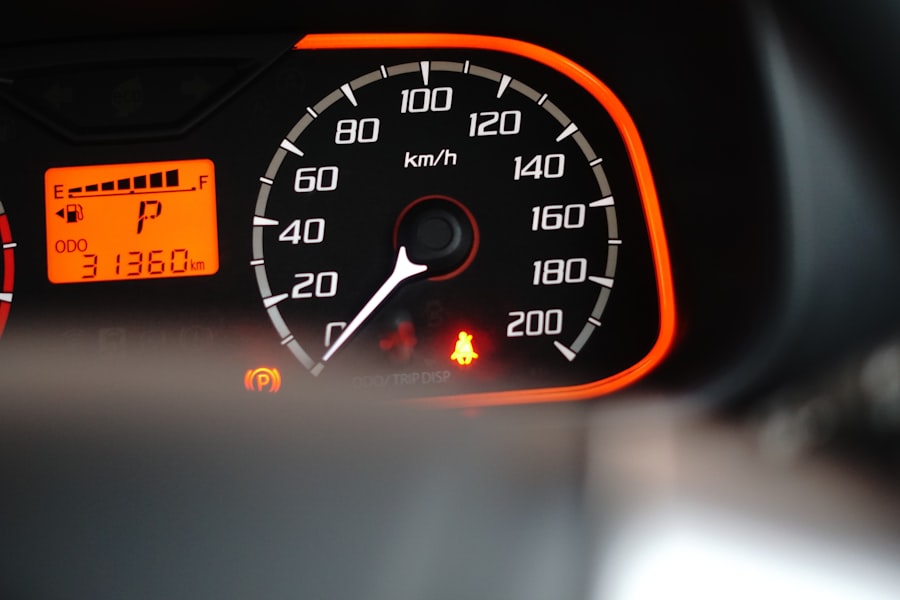
When it comes to calculating mileage claims, taxpayers have two primary methods at their disposal: the simplified method using HMRC’s approved rates or the actual cost method, which involves calculating all vehicle-related expenses. The choice between these methods can significantly impact the amount claimed and should be made based on individual circumstances. The simplified method is often preferred due to its straightforward nature; it allows taxpayers to multiply their business miles by the approved rates without needing to delve into detailed expense tracking.
On the other hand, the actual cost method may yield higher claims for those who incur substantial vehicle expenses, such as fuel, insurance, maintenance, and depreciation. This method requires comprehensive record-keeping of all related costs and can be more complex to manage. Taxpayers must weigh the benefits of each approach carefully; while the simplified method offers ease and convenience, the actual cost method may provide a more accurate reflection of true expenses incurred during business travel.
Maximizing Business Mileage
To maximize business mileage claims, individuals should adopt strategies that increase the number of claimable miles while ensuring compliance with HMRC regulations. One effective approach is to plan routes strategically to combine multiple business-related appointments in a single trip. This not only reduces travel time but also increases the total miles that can be claimed.
For instance, if a salesperson has meetings scheduled in different locations on the same day, organizing these appointments in a logical sequence can lead to significant mileage accumulation. Additionally, individuals should consider alternative travel arrangements that may enhance their claimable mileage. For example, using a personal vehicle instead of public transport for business trips can lead to higher claims if those journeys are documented correctly.
However, it is essential to ensure that such decisions align with company policies and HMRC guidelines. By being proactive in planning and executing business travel, taxpayers can effectively increase their mileage claims while remaining compliant with tax regulations.
Ensuring Compliance with HMRC Guidelines
| Vehicle Type | First 10,000 miles | Additional miles | Notes |
|---|---|---|---|
| Car | 45p per mile | 25p per mile | Standard mileage rates for business travel |
| Motorcycle | 24p per mile | 24p per mile | Flat rate regardless of mileage |
| Bicycle | 20p per mile | 20p per mile | Flat rate regardless of mileage |
Compliance with HMRC guidelines is paramount when submitting mileage claims. Failure to adhere to these regulations can result in rejected claims or even penalties during audits. To ensure compliance, taxpayers should familiarize themselves with HMRC’s rules regarding what constitutes a valid business journey and how to document these trips accurately.
For instance, understanding that commuting from home to a permanent workplace is generally not claimable is crucial in avoiding potential pitfalls. Moreover, it is advisable to keep abreast of any changes in HMRC policies or mileage rates. Tax regulations can evolve, and staying informed will help taxpayers adjust their claims accordingly.
Regularly reviewing HMRC publications or consulting with tax professionals can provide valuable insights into compliance requirements. By prioritizing adherence to guidelines, individuals can safeguard their claims against scrutiny and ensure they receive the maximum allowable relief.
Making Use of Technology for Tracking Mileage
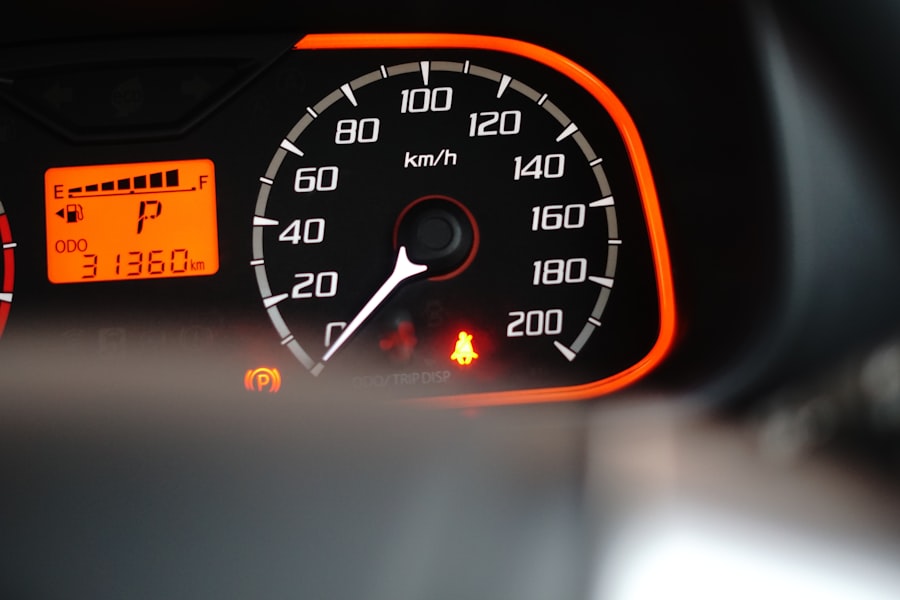
In today’s digital age, leveraging technology for tracking mileage has become increasingly popular among business professionals. Various applications and software solutions are available that streamline the process of recording trips and calculating claims. These tools often come equipped with features such as GPS tracking, automated trip logging, and expense categorization, making it easier than ever to maintain accurate records.
For instance, apps like MileIQ or Everlance allow users to track their journeys automatically without manual input. Users can classify trips as business or personal with just a swipe on their smartphones. This not only saves time but also minimizes errors associated with manual logging.
Furthermore, many of these applications generate reports that can be directly submitted for reimbursement or tax purposes, simplifying the entire process from tracking to claiming.
Seeking Professional Advice for Complex Situations
While many individuals may feel comfortable managing their own mileage claims, there are instances where seeking professional advice becomes essential. Complex situations may arise due to unique business structures, mixed-use vehicles, or significant changes in tax laws that could impact claims. In such cases, consulting with a tax advisor or accountant who specializes in HMRC regulations can provide clarity and guidance.
Professionals can offer tailored advice based on an individual’s specific circumstances and help navigate any complexities associated with mileage claims. They can also assist in identifying potential deductions that may have been overlooked and ensure that all documentation meets HMRC standards. Engaging with an expert not only enhances compliance but also maximizes potential tax relief benefits.
Reviewing and Updating Mileage Claims Regularly
Regularly reviewing and updating mileage claims is an essential practice for anyone who relies on vehicle expenses for tax relief. As business activities evolve and travel patterns change, it is crucial to adjust claims accordingly to reflect current circumstances accurately. This includes revisiting previously recorded trips to ensure they still align with HMRC guidelines and updating any new journeys that may have occurred since the last review.
Additionally, conducting periodic audits of mileage records can help identify discrepancies or areas for improvement in record-keeping practices. By establishing a routine for reviewing claims—whether monthly or quarterly—taxpayers can maintain accurate records and avoid any last-minute rushes when it comes time to submit claims at year-end. This proactive approach not only enhances accuracy but also instills confidence in the legitimacy of the claims being made.
In conclusion, understanding HMRC mileage claims involves navigating various aspects from record-keeping to compliance with guidelines. By employing effective strategies and utilizing technology, individuals can maximize their claims while ensuring adherence to regulations. Seeking professional advice when necessary further enhances this process, allowing taxpayers to optimize their tax relief opportunities effectively.

