
Inventory accounting is a critical aspect of financial management that deals with the valuation and reporting of a company’s inventory. It encompasses the methods and principles used to track inventory levels, costs, and the overall impact on financial statements. At its core, inventory accounting aims to provide an accurate representation of a company’s assets, ensuring that stakeholders have a clear understanding of the resources available for generating revenue.
This process involves categorizing inventory into various classifications, such as raw materials, work-in-progress, and finished goods, each of which plays a distinct role in the production and sales cycle. The significance of inventory accounting extends beyond mere record-keeping; it influences key financial metrics such as cost of goods sold (COGS), gross profit margins, and ultimately, net income. For instance, the method chosen for inventory valuation—be it FIFO (First-In, First-Out), LIFO (Last-In, First-Out), or weighted average—can dramatically affect a company’s financial health during periods of fluctuating prices.

Accurate inventory accounting not only aids in compliance with accounting standards but also enhances decision-making processes by providing insights into inventory levels, turnover rates, and potential obsolescence.
Key Takeaways
- Inventory accounting tracks and values stock to ensure accurate financial records.
- Efficient inventory management reduces costs and improves cash flow.
- Choosing the right inventory accounting system streamlines tracking and reporting.
- Common valuation methods include FIFO, LIFO, and weighted average cost.
- Just-in-Time inventory minimizes holding costs by receiving goods only as needed.
Importance of Efficient Inventory Management

Efficient inventory management is paramount for businesses seeking to optimize their operations and maintain a competitive edge. It involves the strategic oversight of inventory levels to ensure that products are available when needed while minimizing excess stock that can tie up capital and increase holding costs. Effective inventory management can lead to improved cash flow, as it allows companies to align their purchasing and production schedules with actual demand.
This alignment reduces the risk of stockouts, which can result in lost sales and dissatisfied customers. Moreover, efficient inventory management contributes to enhanced operational efficiency. By implementing robust inventory tracking systems, businesses can gain real-time visibility into their stock levels, enabling them to make informed decisions regarding reordering and production planning.
For example, a retail company that utilizes an automated inventory management system can quickly identify which products are selling well and which are not, allowing for timely adjustments in purchasing strategies. This proactive approach not only minimizes waste but also ensures that resources are allocated effectively, ultimately driving profitability.
Implementing Inventory Accounting Systems
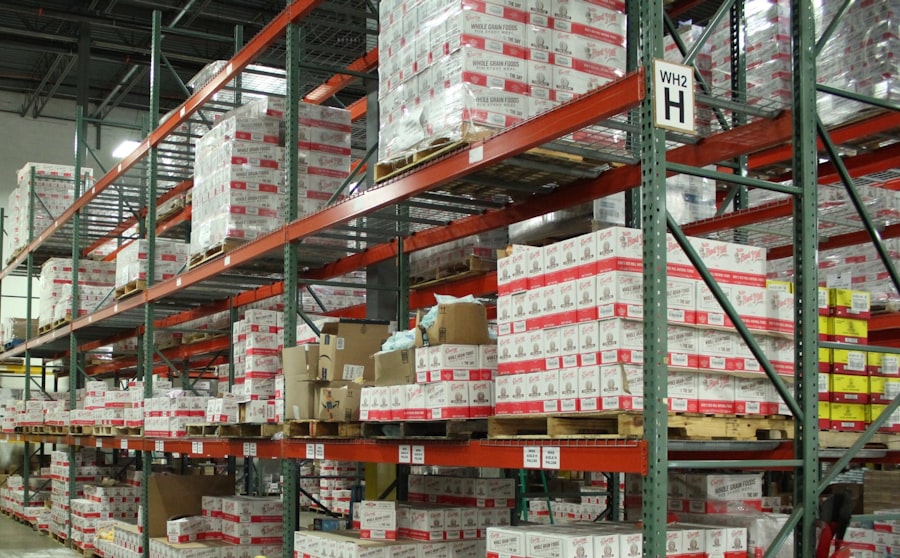
The implementation of an effective inventory accounting system is essential for businesses aiming to streamline their inventory processes and improve accuracy in financial reporting. Such systems can range from simple spreadsheets to sophisticated enterprise resource planning (ERP) software that integrates various business functions. The choice of system often depends on the size of the organization, the complexity of its inventory needs, and its budgetary constraints.
A well-designed inventory accounting system should facilitate real-time tracking of stock levels, automate data entry processes, and provide comprehensive reporting capabilities. When implementing an inventory accounting system, it is crucial to consider the specific needs of the business. For instance, a manufacturing company may require a system that can handle multiple stages of production and track raw materials separately from finished goods.
In contrast, a retail business may prioritize features that allow for easy integration with point-of-sale systems to ensure accurate sales tracking. Additionally, training employees on how to use the new system effectively is vital for maximizing its benefits. Without proper training, even the most advanced systems can lead to errors in data entry and reporting, undermining the very efficiencies they are designed to create.
Inventory Valuation Methods
Inventory valuation methods play a pivotal role in determining how a company reports its inventory on financial statements and calculates its cost of goods sold. The three primary methods—FIFO, LIFO, and weighted average—each have distinct implications for financial reporting and tax liabilities. FIFO assumes that the oldest inventory items are sold first, which can be advantageous during periods of rising prices as it results in lower COGS and higher profits.
Conversely, LIFO assumes that the most recently acquired items are sold first, which can lead to tax benefits in inflationary environments by reducing taxable income. The weighted average method calculates an average cost for all items in inventory, smoothing out price fluctuations over time. This method is particularly useful for businesses with large volumes of similar items where tracking individual costs would be impractical.
Each method has its advantages and disadvantages; thus, companies must carefully consider their operational realities and financial goals when selecting an inventory valuation method. Additionally, consistency in applying the chosen method is essential for maintaining comparability in financial reporting across periods.
Just-in-Time Inventory Management
| Metric | Description | Formula / Calculation | Purpose |
|---|---|---|---|
| Beginning Inventory | Value of inventory at the start of the accounting period | Inventory value from previous period’s ending inventory | Starting point for inventory valuation |
| Purchases | Cost of inventory items bought during the period | Sum of all inventory purchases | Tracks inventory additions |
| Ending Inventory | Value of inventory at the end of the accounting period | Physical count or estimation using inventory valuation method | Determines inventory available for next period |
| Cost of Goods Sold (COGS) | Cost of inventory sold during the period | Beginning Inventory + Purchases – Ending Inventory | Measures direct costs related to sales |
| Inventory Turnover Ratio | Number of times inventory is sold and replaced | COGS / Average Inventory | Assesses inventory management efficiency |
| Average Inventory | Average value of inventory during the period | (Beginning Inventory + Ending Inventory) / 2 | Used in turnover and other ratio calculations |
| Gross Profit | Profit after deducting COGS from sales | Sales Revenue – COGS | Indicates profitability before operating expenses |
| Inventory Write-down | Reduction in inventory value due to obsolescence or damage | Original Inventory Value – Net Realizable Value | Ensures inventory is reported at lower of cost or market |
Just-in-Time (JIT) inventory management is a strategy aimed at reducing waste and improving efficiency by receiving goods only as they are needed in the production process. This approach minimizes the amount of inventory held at any given time, thereby reducing holding costs and freeing up capital for other uses. JIT requires a high level of coordination between suppliers and manufacturers; companies must establish strong relationships with their suppliers to ensure timely deliveries that align with production schedules.
The benefits of JIT inventory management extend beyond cost savings; it also enhances responsiveness to market demand. For example, a car manufacturer employing JIT practices can quickly adapt to changes in consumer preferences by adjusting production schedules without being burdened by excess inventory. However, implementing JIT is not without challenges; it requires precise forecasting and robust supply chain management to avoid disruptions that could halt production.
Companies must invest in technology and processes that enable real-time data sharing with suppliers to ensure that they can meet demand without overstocking.
Inventory Turnover Ratios
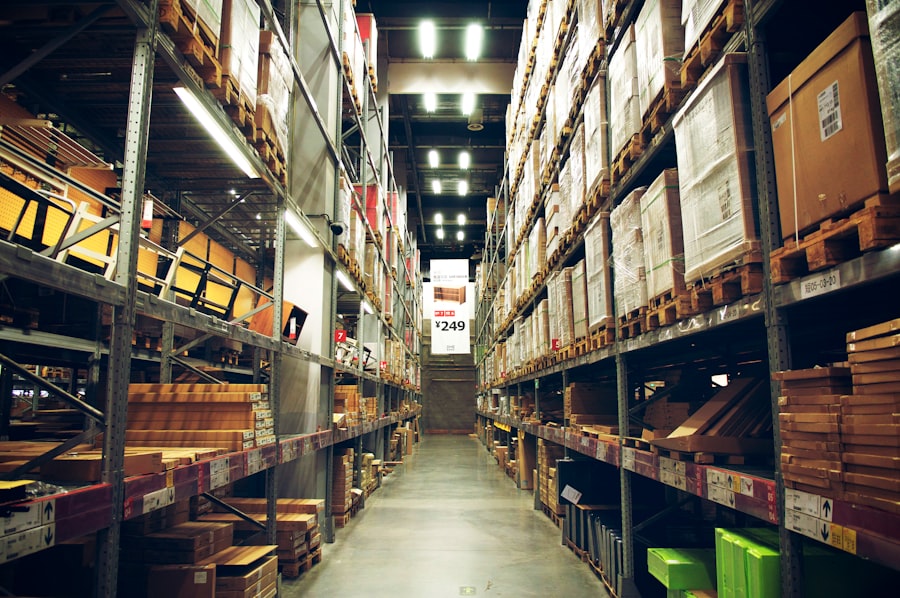
Inventory turnover ratios are key performance indicators that measure how efficiently a company manages its inventory relative to its sales volume. This ratio indicates how many times a company sells and replaces its inventory over a specific period, typically calculated on an annual basis. A high turnover ratio suggests effective inventory management and strong sales performance, while a low ratio may indicate overstocking or weak demand for products.
For instance, a grocery store typically has a high inventory turnover ratio due to the perishable nature of its products; items must be sold quickly to avoid spoilage. In contrast, a luxury car dealership may experience a lower turnover ratio as vehicles remain in inventory for longer periods due to their higher price points and lower sales frequency. Analyzing turnover ratios allows businesses to identify trends over time and make informed decisions regarding purchasing strategies and pricing adjustments.
Companies can also benchmark their ratios against industry standards to gauge their performance relative to competitors.
Minimizing Inventory Holding Costs
Minimizing inventory holding costs is essential for improving profitability and operational efficiency. Holding costs encompass all expenses associated with storing unsold goods, including warehousing fees, insurance, depreciation, and opportunity costs tied up in unsold inventory. By reducing these costs, companies can free up capital for other investments or operational needs.
Strategies for minimizing holding costs include optimizing order quantities through techniques such as Economic Order Quantity (EOQ) calculations or employing just-in-time practices to reduce excess stock. Another effective approach is conducting regular inventory audits to identify slow-moving or obsolete items that may be incurring unnecessary holding costs. For example, a fashion retailer may find that certain seasonal items are not selling as anticipated; by discounting these items or bundling them with more popular products, the retailer can reduce holding costs while clearing out space for new merchandise.
Additionally, leveraging technology such as inventory management software can provide insights into stock levels and turnover rates, enabling businesses to make data-driven decisions about their inventory strategies.
Integrating Inventory Accounting with Financial Reporting
Integrating inventory accounting with financial reporting is crucial for providing stakeholders with an accurate picture of a company’s financial health. This integration ensures that inventory values are consistently reflected in financial statements such as the balance sheet and income statement. Accurate reporting of inventory levels directly impacts key financial metrics like gross profit margins and net income; thus, any discrepancies can lead to misinformed decisions by management or investors.
To achieve seamless integration between inventory accounting and financial reporting, companies should adopt standardized accounting practices and utilize integrated software solutions that link inventory data with financial systems. For instance, an ERP system can automatically update financial records based on real-time inventory transactions, reducing the risk of errors associated with manual data entry. Furthermore, regular reconciliations between physical counts of inventory and recorded amounts help maintain accuracy in financial reporting.
By ensuring that inventory accounting aligns with broader financial strategies, companies can enhance transparency and build trust with stakeholders while supporting informed decision-making processes across the organization.