
The accounting industry has experienced substantial technological advancement in recent decades, transitioning from manual bookkeeping and desktop-based systems to cloud-based digital platforms. Online accounting software represents a category of financial management tools that operate through web browsers or mobile applications, enabling businesses to manage their financial operations remotely through internet connectivity. This technological shift stems from several factors, including the widespread adoption of cloud computing infrastructure, increased demand for remote work capabilities, and the need for real-time financial data access.
According to industry research, the global cloud accounting software market has grown significantly, with adoption rates increasing across small, medium, and large enterprises. Online accounting platforms differ from traditional systems by automating routine tasks such as data entry, calculations, and report generation. These systems typically integrate with banking institutions and other business software, allowing for automatic transaction imports and reduced manual processing.

The automation capabilities help minimize computational errors and decrease the time required for financial record maintenance. The market currently offers numerous online accounting solutions, ranging from basic bookkeeping tools for small businesses to comprehensive enterprise resource planning systems for large corporations. These platforms vary in functionality, pricing structures, and industry-specific features, reflecting the diverse requirements of different business sectors and organizational sizes.
Key Takeaways
- Online accounting software offers accessible, cloud-based financial management for businesses.
- Key benefits include real-time data access, automation, and improved accuracy.
- Essential features to consider are invoicing, expense tracking, and integration capabilities.
- Choosing the right software depends on business size, industry needs, and budget.
- Future trends point to AI integration, enhanced automation, and greater connectivity with other business tools.
Benefits of Using Online Accounting Software

One of the most significant advantages of online accounting software is its accessibility. With cloud-based systems, users can access their financial data anytime and anywhere, provided they have an internet connection. This flexibility is particularly beneficial for businesses with remote teams or those that operate in multiple locations.
For instance, a small business owner can review financial reports while traveling or collaborate with their accountant in real-time without the need for physical meetings. This level of accessibility not only enhances productivity but also allows for quicker decision-making based on up-to-date financial information. Another key benefit is the cost-effectiveness of online accounting software.
Traditional accounting methods often involve substantial overhead costs, including hiring full-time accountants or purchasing expensive software licenses. In contrast, many online accounting solutions operate on a subscription model, allowing businesses to pay only for what they need. This can significantly lower initial investment costs and provide predictable monthly expenses.
Additionally, many online platforms offer tiered pricing structures that enable businesses to scale their services as they grow, ensuring that they only pay for features that are relevant to their current operations.
Features to Look for in Online Accounting Software

When evaluating online accounting software, it is crucial to consider a range of features that can enhance your business’s financial management capabilities. One essential feature is automated invoicing and billing. This functionality allows businesses to create and send invoices quickly, track payments, and send reminders for overdue accounts.
Automation not only saves time but also reduces the risk of human error associated with manual invoicing processes. For example, a freelance graphic designer can set up recurring invoices for regular clients, ensuring timely payments without the hassle of manual tracking. Another important feature is robust reporting and analytics capabilities.
Effective financial management relies on accurate data analysis to inform strategic decisions. Look for software that offers customizable reports on income statements, cash flow, and balance sheets. Advanced analytics can provide insights into spending patterns, revenue trends, and profitability metrics.
For instance, a retail business can analyze sales data by product category to identify which items are performing well and which may need promotional support. This level of insight empowers business owners to make informed decisions that drive growth.
How to Choose the Right Online Accounting Software for Your Business
Selecting the right online accounting software requires careful consideration of your business’s unique needs and goals. Start by assessing the size and complexity of your operations. A small startup may require basic features such as invoicing and expense tracking, while a larger enterprise might need advanced functionalities like multi-currency support or integration with inventory management systems.
Understanding your current requirements will help narrow down your options and ensure you choose a solution that can grow with your business. Additionally, consider the user experience and customer support offered by the software provider. A user-friendly interface can significantly reduce the learning curve for you and your team, allowing for quicker adoption of the new system.
Look for platforms that offer comprehensive tutorials, webinars, or customer support channels such as live chat or phone assistance. For example, if you are transitioning from a manual accounting system to an online solution, having access to responsive customer support can make the process smoother and less stressful.
Setting Up and Using Online Accounting Software
| Metric | Description | Example Value | Unit |
|---|---|---|---|
| Monthly Active Users | Number of users actively using the software each month | 150,000 | Users |
| Average Subscription Cost | Average monthly subscription fee per user | 25 | USD |
| Customer Retention Rate | Percentage of customers retained over a year | 85 | % |
| Integration Count | Number of third-party apps integrated | 50 | Integrations |
| Average Response Time | Average time to respond to customer support queries | 2 | Hours |
| Data Storage Capacity | Maximum data storage available per user | 10 | GB |
| Mobile App Rating | Average rating of the mobile app on app stores | 4.5 | Stars |
| Security Compliance | Compliance with industry security standards | ISO 27001, GDPR | Standards |
Once you have selected an online accounting software solution that aligns with your business needs, the next step is setting it up effectively. Begin by importing existing financial data from your previous accounting system or spreadsheets. Most online platforms provide tools or templates to facilitate this process, ensuring that your historical data is accurately reflected in the new system.
It’s essential to take the time to verify that all information has been imported correctly to avoid discrepancies in future reporting. After setting up your account and importing data, familiarize yourself with the software’s features through hands-on practice or training resources provided by the vendor. Many platforms offer demo accounts or trial periods that allow users to explore functionalities without committing fully.
During this phase, establish a routine for regular data entry and reconciliation processes to maintain accurate financial records. For instance, setting aside time each week to update expenses and review invoices can help keep your financial information current and organized.
Integrating Online Accounting Software with Other Business Tools
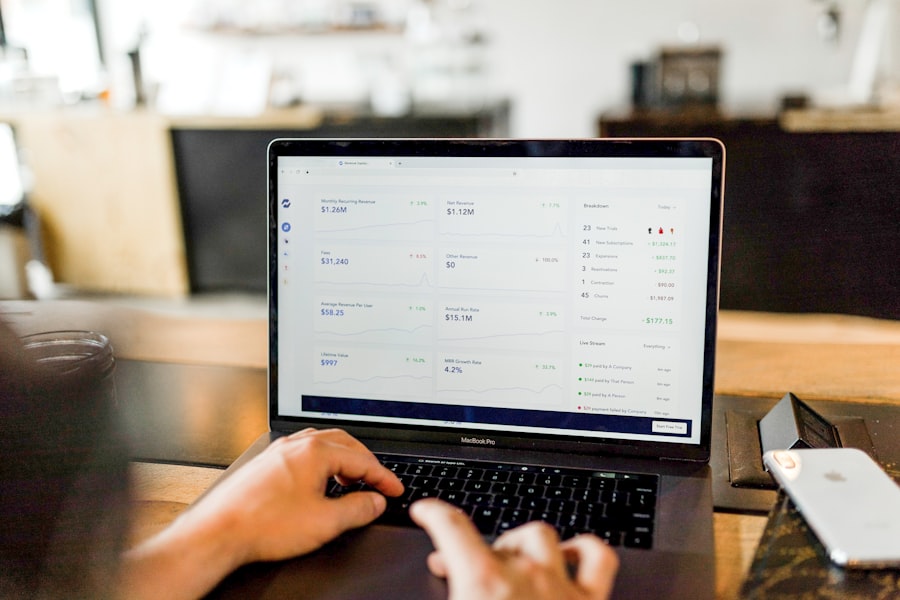
To maximize the effectiveness of online accounting software, consider integrating it with other business tools you already use. Many accounting platforms offer integration capabilities with popular applications such as customer relationship management (CRM) systems, e-commerce platforms, payroll services, and project management tools. For example, integrating your accounting software with an e-commerce platform like Shopify can automate the flow of sales data directly into your financial records, reducing manual entry and minimizing errors.
Moreover, seamless integration enhances overall operational efficiency by creating a unified ecosystem where data flows freely between systems. This interconnectedness allows for better visibility into various aspects of your business operations. For instance, if your accounting software is linked with a project management tool like Trello or Asana, you can track project expenses in real-time alongside task progress.
This holistic view enables more informed decision-making regarding resource allocation and budgeting.
Tips for Maximizing the Efficiency of Online Accounting Software
To fully leverage the capabilities of online accounting software, implement best practices that enhance efficiency and accuracy in your financial management processes. One effective strategy is to establish clear workflows for tasks such as invoicing, expense tracking, and reconciliation. By defining roles and responsibilities within your team regarding who handles specific financial tasks, you can streamline operations and reduce confusion.
Regularly reviewing financial reports generated by your accounting software is another critical practice. Set aside time each month to analyze key performance indicators (KPIs) such as cash flow trends, profit margins, and outstanding receivables. This proactive approach allows you to identify potential issues early on and make necessary adjustments before they escalate into larger problems.
Additionally, consider utilizing automation features within the software to handle repetitive tasks like invoice generation or payment reminders—this not only saves time but also ensures consistency in your financial processes.
The Future of Online Accounting Software: Trends and Developments
The future of online accounting software is poised for continued innovation as technology evolves and businesses seek more efficient solutions for managing their finances. One notable trend is the increasing incorporation of artificial intelligence (AI) and machine learning into accounting platforms. These technologies can enhance data analysis capabilities by identifying patterns in financial behavior and providing predictive insights that inform strategic decision-making.
For instance, AI-driven tools may analyze past spending habits to forecast future expenses or suggest budget adjustments based on historical trends. Another significant development is the growing emphasis on cybersecurity within online accounting solutions. As businesses become more reliant on cloud-based systems for sensitive financial data, ensuring robust security measures is paramount.
Future software will likely incorporate advanced encryption methods, multi-factor authentication processes, and regular security audits to protect against data breaches and cyber threats. As regulatory requirements around data protection continue to evolve globally, accounting software providers will need to adapt their offerings to ensure compliance while maintaining user trust. In conclusion, online accounting software represents a transformative shift in how businesses manage their finances.
By understanding its benefits, essential features, and best practices for implementation and integration with other tools, organizations can harness its full potential to drive efficiency and growth in an increasingly competitive landscape.

