
Streamlining accounts payable (AP) systems is crucial for organizations aiming to enhance their financial health and operational efficiency. The accounts payable function is not merely a back-office task; it plays a pivotal role in managing cash flow, maintaining vendor relationships, and ensuring compliance with financial regulations. When AP processes are efficient, organizations can take advantage of early payment discounts, avoid late fees, and maintain a positive credit rating.
Conversely, a disorganized AP system can lead to missed payments, strained vendor relationships, and ultimately, financial losses. Moreover, in an increasingly competitive business environment, the ability to process invoices quickly and accurately can provide a significant edge. Companies that invest in streamlining their AP systems often find that they can allocate resources more effectively, allowing them to focus on strategic initiatives rather than getting bogged down in administrative tasks.

This shift not only improves the bottom line but also enhances employee morale, as staff members can engage in more meaningful work rather than repetitive data entry or invoice reconciliation.
Key Takeaways
- Streamlining accounts payable enhances efficiency and reduces processing costs.
- Identifying current process inefficiencies is crucial before implementing changes.
- Automation and technology significantly improve accuracy and speed in accounts payable.
- Effective communication and collaboration with vendors optimize payment workflows.
- Continuous monitoring and analysis help measure and sustain improvements in accounts payable systems.
Understanding the Current Accounts Payable Process

To effectively streamline accounts payable systems, it is essential to first understand the current AP process within an organization. Typically, the AP process begins with the receipt of an invoice from a vendor. This invoice must then be verified against purchase orders and delivery receipts to ensure accuracy.
Once verified, the invoice is entered into the accounting system for approval and payment processing. Each of these steps involves multiple stakeholders, including procurement, finance, and sometimes even legal departments, depending on the nature of the goods or services provided. In many organizations, this process is still heavily reliant on paper-based documentation and manual data entry.
Invoices may be routed through various departments for approval, leading to delays and potential errors. Additionally, discrepancies between invoices and purchase orders can result in lengthy resolution processes. Understanding these nuances is critical for identifying areas where improvements can be made.
For instance, organizations may find that certain departments are consistently slow in approving invoices, or that manual data entry is leading to frequent errors that require time-consuming corrections.
Identifying Inefficiencies in Accounts Payable Systems
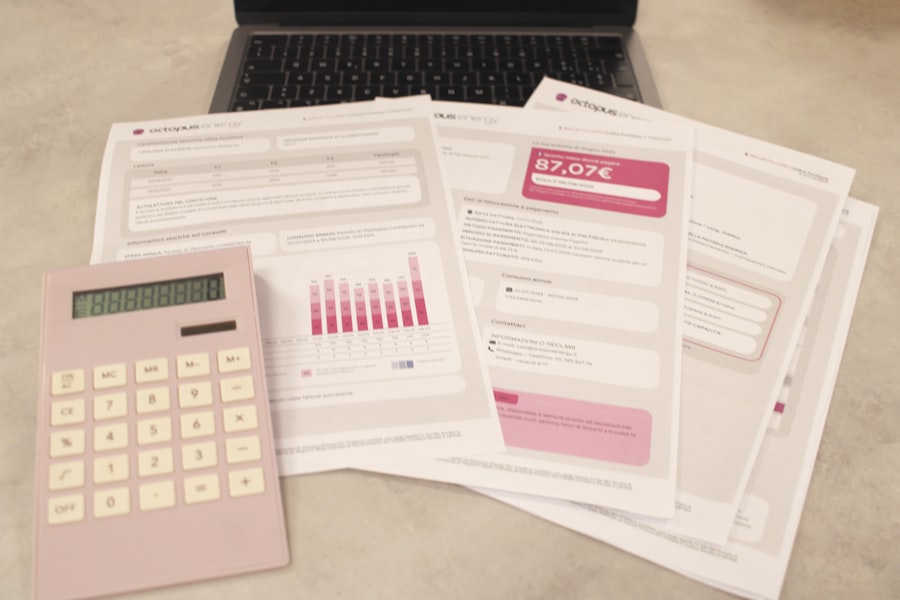
Once the current accounts payable process is understood, the next step is to identify inefficiencies that may be hindering performance. Common inefficiencies include bottlenecks in the approval process, excessive reliance on paper documentation, and a lack of standardized procedures. For example, if invoices are sent to multiple approvers without a clear hierarchy or timeline for approval, this can lead to confusion and delays.
Similarly, if invoices are manually entered into the system, the risk of human error increases significantly. Another area of concern is the lack of visibility into the AP process. Many organizations struggle with tracking the status of invoices and payments, which can lead to missed deadlines and strained vendor relationships.
Without real-time insights into cash flow and outstanding liabilities, finance teams may find it challenging to make informed decisions about spending and budgeting. Identifying these inefficiencies is a critical step toward developing a more streamlined accounts payable system that enhances overall organizational performance.
Implementing Automation and Technology in Accounts Payable
The implementation of automation and technology in accounts payable can significantly enhance efficiency and accuracy. Automated AP solutions can streamline invoice processing by capturing data directly from invoices using optical character recognition (OCR) technology. This eliminates the need for manual data entry and reduces the likelihood of errors associated with human input.
Furthermore, automated systems can facilitate electronic approvals, allowing invoices to be routed to the appropriate stakeholders without the delays associated with physical paperwork. In addition to improving speed and accuracy, automation can also provide valuable insights through data analytics. By leveraging technology, organizations can track key performance indicators (KPIs) such as invoice processing time, payment cycle time, and early payment discounts captured.
This data can inform strategic decisions and help organizations identify trends or areas for further improvement. For instance, if analytics reveal that certain vendors consistently submit late invoices, organizations can proactively address these issues to improve overall efficiency.
Streamlining Approval Processes for Accounts Payable
| Metric | Description | Typical Value / Range | Importance |
|---|---|---|---|
| Invoice Processing Time | Average time taken to process an invoice from receipt to payment approval | 2-5 days | High |
| Cost per Invoice | Average cost incurred to process a single invoice | 1-5 USD | High |
| Invoice Exception Rate | Percentage of invoices that require manual intervention due to errors or discrepancies | 5-15% | Medium |
| Early Payment Discounts Captured | Percentage of available early payment discounts successfully utilized | 60-90% | Medium |
| Payment Accuracy | Percentage of payments made without errors or disputes | 98-100% | High |
| Days Payable Outstanding (DPO) | Average number of days the company takes to pay its invoices | 30-60 days | High |
| Automation Rate | Percentage of invoices processed automatically without manual input | 50-85% | High |
| Supplier Onboarding Time | Average time to onboard a new supplier into the accounts payable system | 1-3 days | Medium |
Streamlining approval processes is a critical component of enhancing accounts payable efficiency. Traditional approval workflows often involve multiple layers of authorization that can slow down the payment process. By simplifying these workflows and establishing clear guidelines for approvals, organizations can reduce delays and improve cash flow management.
For example, implementing a tiered approval system based on invoice amounts can help expedite smaller transactions while ensuring that larger expenditures receive appropriate scrutiny. Additionally, utilizing digital platforms for approvals can enhance transparency and accountability within the AP process. Stakeholders can receive notifications when invoices are pending their approval, allowing them to act promptly rather than waiting for physical documents to arrive on their desks.
This not only speeds up the process but also fosters a culture of responsibility among team members who are accountable for timely approvals.
Improving Communication and Collaboration with Vendors

Effective communication and collaboration with vendors are essential for a streamlined accounts payable process. Establishing clear lines of communication can help prevent misunderstandings regarding payment terms, invoice discrepancies, and service expectations. Organizations should consider implementing vendor portals where suppliers can submit invoices electronically and track their payment status in real-time.
This transparency not only improves vendor satisfaction but also reduces the number of inquiries received by the AP department regarding payment statuses. Furthermore, regular communication with vendors can help build stronger relationships that benefit both parties. For instance, organizations might negotiate favorable payment terms or discounts for early payments based on their established rapport with suppliers.
By fostering collaboration rather than viewing vendors solely as transactional partners, organizations can create a more efficient AP process that supports long-term business relationships.
Monitoring and Analyzing Accounts Payable Data for Efficiency
Monitoring and analyzing accounts payable data is vital for continuous improvement within the AP function. Organizations should establish KPIs that align with their financial goals and regularly review these metrics to assess performance. Common KPIs include invoice processing time, percentage of invoices paid on time, and cost per invoice processed.
By tracking these metrics over time, organizations can identify trends and make informed decisions about where to focus their improvement efforts. Data analytics tools can provide deeper insights into spending patterns and vendor performance as well. For example, analyzing payment histories may reveal opportunities for consolidating purchases with fewer suppliers or negotiating better terms based on volume discounts.
Additionally, organizations can use this data to forecast cash flow needs more accurately, allowing them to manage working capital more effectively.
Measuring the Success of Streamlining Accounts Payable Systems
Finally, measuring the success of streamlining accounts payable systems is essential for understanding the impact of implemented changes. Organizations should establish baseline metrics before initiating any improvements so that they have a clear point of reference for comparison after changes are made. Success indicators may include reduced invoice processing times, increased rates of early payment discounts captured, or improved vendor satisfaction scores.
Regularly reviewing these metrics allows organizations to assess whether their efforts are yielding the desired results or if further adjustments are necessary. Additionally, gathering feedback from employees involved in the AP process can provide valuable insights into areas that may still require attention or improvement. By fostering a culture of continuous improvement within accounts payable, organizations can ensure that they remain agile and responsive to changing business needs while maximizing efficiency and effectiveness in their financial operations.