
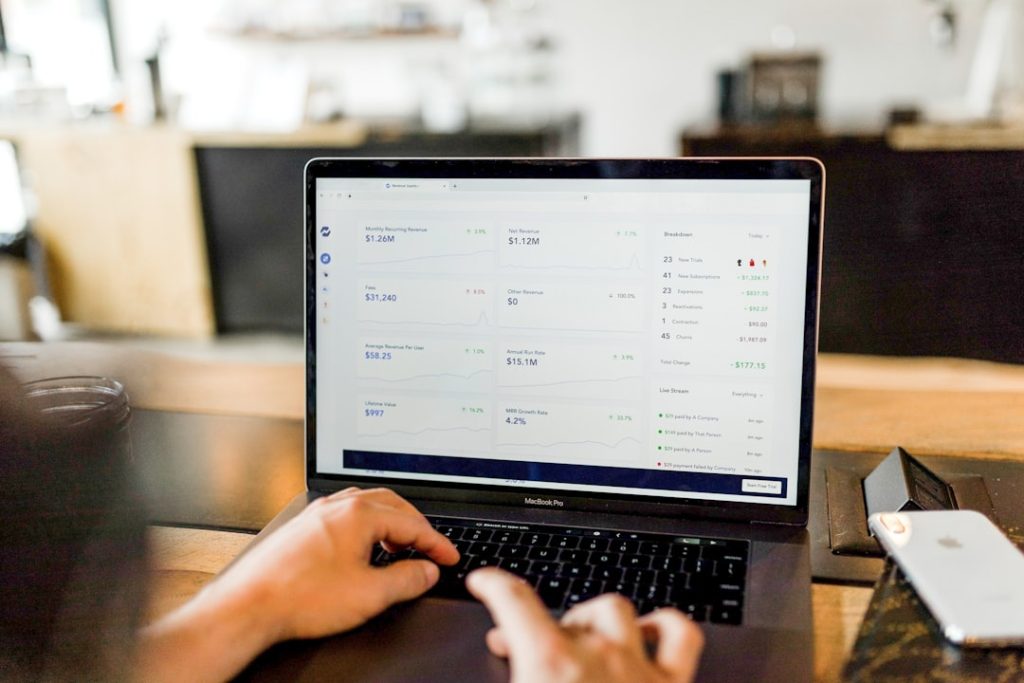
In the modern business landscape, technology plays a crucial role in streamlining operations for sole traders. These individuals, who typically manage multiple aspects of their business alone, need efficient tools for financial management. Accounting software has become an essential resource, allowing sole traders to efficiently handle invoicing, expense tracking, tax preparation, and financial reporting.
Effective accounting software saves time, minimizes errors, and provides insights into financial performance, enabling sole traders to concentrate on business growth and customer service rather than administrative paperwork. The selection of appropriate accounting software significantly affects a sole trader’s operational efficiency. With numerous options available in the market, each with distinct features and capabilities, understanding specific business requirements is essential before making a decision.

Key considerations include user-friendliness, pricing, ability to scale with business growth, and compatibility with other business tools. This article examines several popular accounting software solutions designed for sole traders, outlining their features, advantages, and limitations.
Key Takeaways
- Accounting software helps sole traders manage finances efficiently and stay organized.
- QuickBooks Self-Employed is tailored for freelancers with easy expense tracking and tax features.
- FreshBooks offers user-friendly invoicing and time-tracking ideal for service-based sole traders.
- Xero provides robust accounting tools with strong integration options for growing businesses.
- Wave and Zoho Books deliver free or affordable solutions with essential features for small sole traders.
QuickBooks Self-Employed

QuickBooks Self-Employed is a robust accounting solution designed specifically for freelancers and sole traders. One of its standout features is its ability to separate personal and business expenses seamlessly. This is particularly beneficial for sole traders who often find their personal and business finances intertwined.
The software allows users to categorize expenses automatically by linking their bank accounts and credit cards, making it easier to track spending and prepare for tax season. In addition to expense tracking, QuickBooks Self-Employed offers invoicing capabilities that enable users to create professional-looking invoices quickly. The software supports various payment methods, including credit cards and bank transfers, which can enhance cash flow by allowing clients to pay directly through the invoice.
Furthermore, QuickBooks Self-Employed provides tax estimation tools that help users set aside the appropriate amount for taxes throughout the year, reducing the stress associated with tax time. However, while it is feature-rich, some users may find the interface slightly overwhelming at first due to its extensive functionalities.
FreshBooks

FreshBooks is another popular choice among sole traders, known for its user-friendly interface and strong focus on invoicing and time tracking. The platform is particularly appealing to service-based businesses that bill clients based on hours worked. FreshBooks allows users to track time spent on projects easily and convert those hours into invoices with just a few clicks.
This feature not only simplifies billing but also provides valuable insights into how time is allocated across different projects. Moreover, FreshBooks offers a variety of customizable invoice templates that can enhance a sole trader’s professional image. Users can add their branding elements, such as logos and color schemes, to create invoices that reflect their business identity.
The software also includes features for expense tracking, allowing users to snap photos of receipts and categorize expenses on the go. While FreshBooks excels in invoicing and time management, it may lack some advanced accounting features found in other software options, making it more suitable for those whose primary focus is on client billing rather than comprehensive financial management.
Xero
Xero is a cloud-based accounting software that has gained popularity among small businesses and sole traders alike due to its comprehensive feature set and intuitive design. One of Xero’s key strengths is its real-time collaboration capabilities; multiple users can access the platform simultaneously, making it an excellent choice for sole traders who may work with accountants or bookkeepers. This collaborative aspect ensures that all parties have access to up-to-date financial information, facilitating better decision-making.
Xero also offers robust reporting features that provide insights into a business’s financial performance. Users can generate various reports, including profit and loss statements, balance sheets, and cash flow forecasts. These reports are essential for understanding the financial health of a business and making informed strategic decisions.
Additionally, Xero integrates with numerous third-party applications, allowing sole traders to customize their accounting ecosystem according to their specific needs. However, while Xero is feature-rich, some users may find its pricing structure on the higher side compared to other options available in the market.
Wave
| Software | Pricing Plan | Key Features | User Rating (out of 5) | Best For |
|---|---|---|---|---|
| QuickBooks Self-Employed | Monthly subscription | Expense tracking, mileage tracking, tax estimation, invoicing | 4.5 | Freelancers and sole traders needing tax help |
| FreshBooks | Monthly subscription | Invoicing, time tracking, expense management, project collaboration | 4.6 | Service-based sole traders |
| Wave Accounting | Free with paid add-ons | Invoicing, accounting, receipt scanning, bank connections | 4.3 | Budget-conscious sole traders |
| Xero | Monthly subscription | Bank reconciliation, invoicing, inventory, payroll | 4.4 | Growing sole traders needing scalability |
| Zoho Books | Monthly subscription | Invoicing, expense tracking, project management, tax compliance | 4.5 | Small businesses and sole traders |
Wave is a free accounting software solution that caters specifically to small businesses and sole traders. Its no-cost model makes it an attractive option for those just starting or operating on tight budgets. Despite being free, Wave offers a comprehensive suite of features that includes invoicing, expense tracking, and financial reporting.
Users can create unlimited invoices and manage their cash flow without incurring monthly fees. One of Wave’s standout features is its user-friendly interface that simplifies navigation for those who may not have extensive accounting knowledge. The software allows users to connect their bank accounts for automatic transaction imports, making it easier to track income and expenses in real time.
Additionally, Wave provides basic reporting tools that help users understand their financial position without overwhelming them with complex data. However, while Wave is an excellent option for basic accounting needs, it may lack some advanced features found in paid software solutions, such as inventory management or payroll services.
Zoho Books

Zoho Books is part of the larger Zoho suite of business applications and offers a comprehensive accounting solution tailored for small businesses and sole traders. One of its key advantages is its affordability; Zoho Books provides a range of pricing plans that cater to different business sizes and needs. This flexibility makes it an appealing choice for sole traders who may be looking for a cost-effective solution without sacrificing essential features.
The software includes robust invoicing capabilities that allow users to create customized invoices with ease. Additionally, Zoho Books supports multi-currency transactions, which is particularly beneficial for sole traders who work with international clients. The platform also offers automated workflows that can streamline repetitive tasks such as sending payment reminders or recurring invoices.
Furthermore, Zoho Books integrates seamlessly with other Zoho applications as well as third-party tools like payment gateways and CRM systems. However, some users may find the initial setup process slightly complex due to the extensive range of features available.
Sage Business Cloud Accounting
Sage Business Cloud Accounting is a well-established player in the accounting software market, offering solutions tailored for small businesses and sole traders. One of its primary strengths lies in its comprehensive feature set that includes invoicing, expense tracking, bank reconciliation, and reporting tools. Sage’s user-friendly interface makes it accessible for those who may not have a background in finance or accounting.
A notable feature of Sage Business Cloud Accounting is its strong focus on compliance with tax regulations. The software automatically updates tax rates based on the user’s location, ensuring that sole traders remain compliant with local tax laws without having to manually adjust settings. Additionally, Sage provides robust reporting capabilities that allow users to generate detailed financial reports to gain insights into their business performance over time.
While Sage offers a wealth of features, some users may find its pricing structure less competitive compared to newer entrants in the market.
Conclusion and Final Recommendations
When selecting accounting software as a sole trader, it is crucial to consider individual business needs and preferences. Each software option discussed has its unique strengths and weaknesses that cater to different aspects of financial management. QuickBooks Self-Employed excels in expense tracking and tax estimation; FreshBooks shines in invoicing and time tracking; Xero offers robust reporting capabilities; Wave provides a free solution with essential features; Zoho Books combines affordability with comprehensive functionality; and Sage Business Cloud Accounting emphasizes compliance and reporting.
Ultimately, the best choice will depend on factors such as budget constraints, specific feature requirements, and personal comfort with technology. Sole traders should take advantage of free trials offered by many of these platforms to explore their functionalities before committing to a subscription. By carefully evaluating these options against their business needs, sole traders can select an accounting software solution that not only simplifies their financial management but also supports their growth ambitions in an increasingly competitive marketplace.

